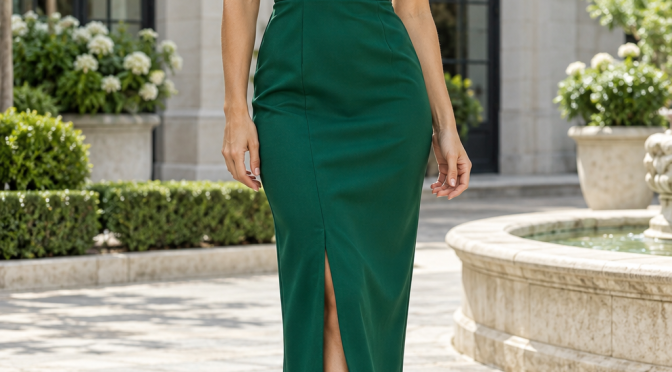
Petite dressing is often described as a search for length, but the more useful goal is proportion. A thoughtfully chosen dress can make every line look purposeful while leaving you free to move through the day. These practical checks help you compare dresses for work, celebrations, and evenings out without relying on a rigid list of rules.
Begin at the shoulders
The shoulder is the anchor of a dress. If straps slide, armholes gape, or a sleeve begins too far down the arm, the whole garment can look oversized even when the waist is snug. Choose a fit that works at the shoulders and bust before considering what can be altered below. A clearly placed waist seam, gentle wrap closure, or shaped bodice gives the eye a natural point of reference. This does not mean every petite person needs a high waist. Try different cuts and notice where the garment meets your own waist. A balanced dress should feel comfortable in motion as well as pleasing in a mirror.
Choose the hem deliberately
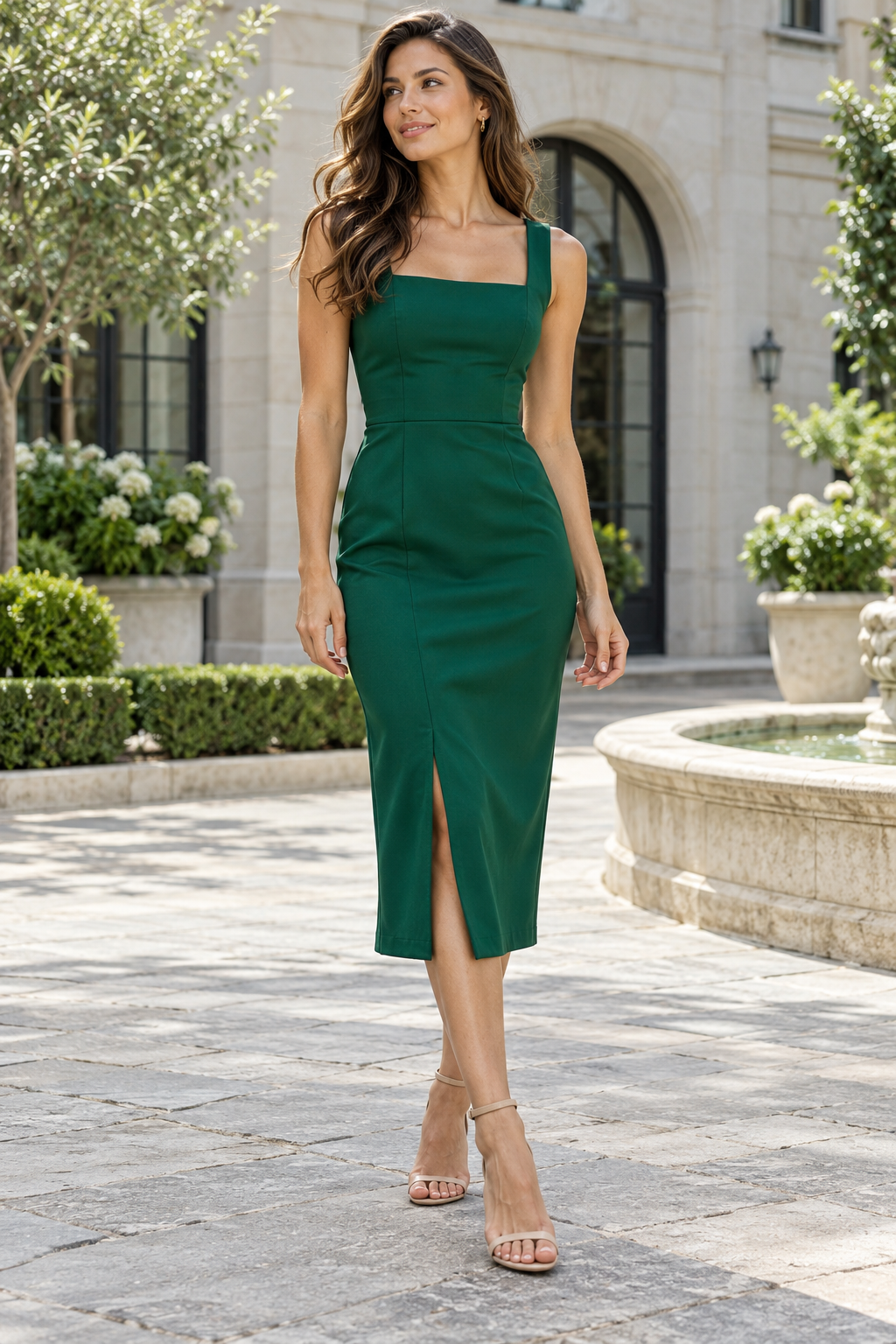
Hem length changes the rhythm of an outfit. A knee-length dress shows the leg clearly, while a midi can look especially elegant when it ends at a narrow point below the knee. If a midi cuts across the widest part of the calf and feels heavy, shortening it slightly may transform the look. Maxi dresses are also an option: the important detail is that the skirt clears the floor with the shoes you actually plan to wear. Bring those shoes to the fitting. A clean hemline lets fabric move naturally instead of bunching around your feet, and it reduces the temptation to keep lifting the skirt.
Look closely at fabric and volume
Fabric determines whether the silhouette feels light or heavy. Satin and crepe make a smooth line; cotton poplin can give a shirt dress a crisp outline; chiffon offers softness when it is cut with restraint. Notice where gathers begin. Dense ruching through the middle can add bulk, whereas controlled pleats that release below the waist create an airy skirt. Print scale is personal rather than absolute. Small prints may feel quiet, but a large pattern can be striking when its placement is deliberate and the overall shape stays simple. Compare options in daylight, where texture and fabric weight are easier to judge.
Build the complete outfit
Accessories change the proportion of a dress. A shoe close to your skin tone can create a continuous line, while a contrasting shoe works when it repeats a color from the dress. Pointed flats, low heels, and refined sandals can all look polished; added height is not a requirement. Keep the size of the bag in conversation with the garment rather than letting it dominate. A long necklace can extend a simple column, while earrings frame a higher neckline. Try everything together and take a photo from a normal distance. A camera held very low can distort proportions and make comparisons less useful.
Know what a tailor can change
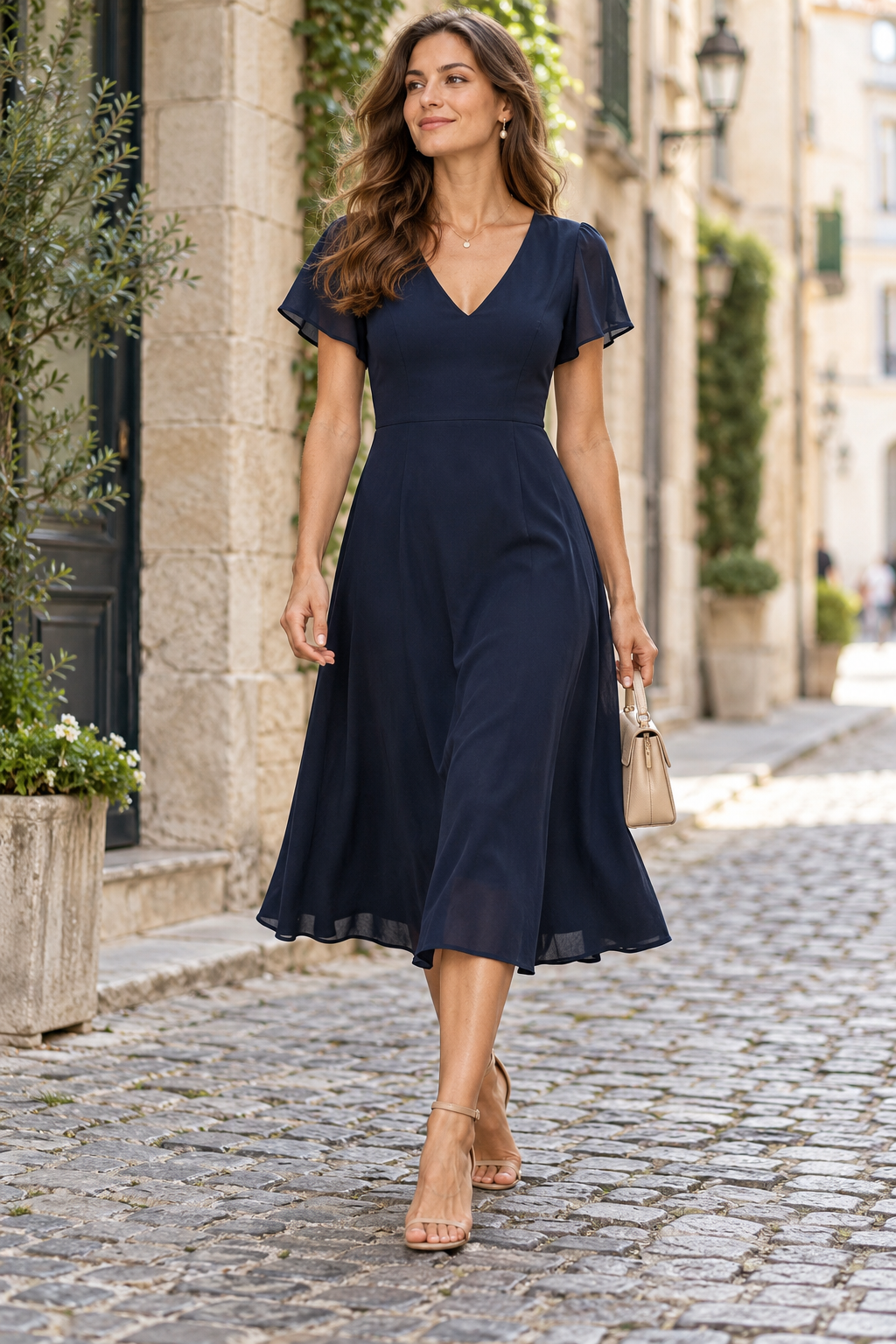
Petite sizing is a helpful shortcut, not a guarantee of a perfect fit. Common alterations include shortening a hem, raising a waist seam, adjusting straps, and refining a sleeve. Ask about these changes before committing to a costly dress. Moving a lace border, beaded edge, or large print can take more work than shortening a plain skirt. Allow time for a follow-up fitting, especially if the dress is for a wedding or formal event. Good tailoring can make a modestly priced dress feel far more special than an expensive one that fits approximately. Keep your planned undergarments and shoes consistent across fittings.
Make the final check practical
Wear a promising dress for several minutes rather than judging it immediately. Sit, walk, reach, and turn. The neckline should stay where you expect it, and the waist should not demand constant adjustment. Ask a friend to photograph you at a normal distance in natural light. If you can stop thinking about the fit and focus on the occasion, you are close to the right choice. Petite style is ultimately attention to detail and comfort. The strongest dress is the one whose proportions feel intentional on your body, regardless of the label or the trend of the season.
What if a petite size still feels too long?
Use the size that fits the shoulders and bust, then ask a tailor to assess the waist and hem. Petite labels vary between brands, and a standard size with a simple alteration may fit better than a petite cut with the wrong shoulder shape. Ask for a pin fitting before removing tags or making a nonreturnable purchase. A few well placed changes can preserve the dress design while making it feel made for you.