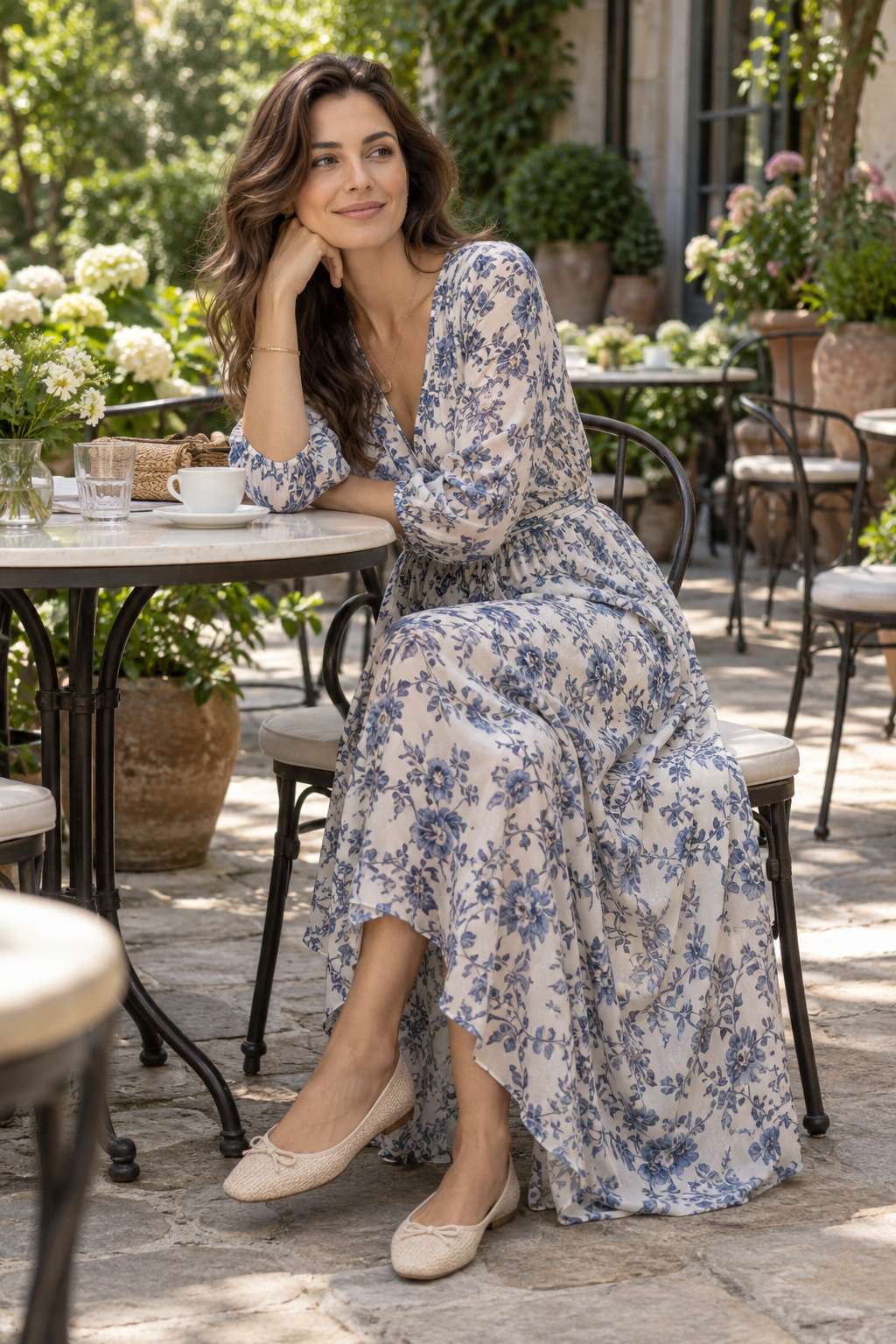
Boho Wedding Dresses: Details That Feel Romantic and Effortless

Choosing the right look begins with the feeling you want to carry through the day. Boho Wedding Dresses: Details That Feel Romantic and Effortless is an invitation to focus on proportion, comfort, and the details that make an outfit feel genuinely personal.

Editorial dress inspiration

Begin with the setting

Consider the venue, time of day, weather, and dress code before deciding on a silhouette or color. An outfit should belong naturally in its surroundings while still making you feel confident. Notice which fabrics move easily, which cuts let you sit and dance, and which details still feel good after a few minutes rather than only in a mirror.

Choose shape and fabric together

Shape gives a dress its first impression, but fabric gives it its mood. Structured materials create clean lines; soft layers bring movement; textured details add romance. Try more than one option, then pay attention to the balance of neckline, waist, skirt, and length. The most successful choice will look polished without asking you to adjust it all day.

Fashion styling detail for the occasion

Use accessories with intention

Accessories should support the dress, not compete with it. A thoughtful shoe, compact bag, simple jewelry, and a light layer can complete the look while keeping it practical. If the dress has strong texture or color, edit the rest. If the dress is minimal, one distinct accessory can bring the whole outfit to life.

Make it your own

Inspiration is useful, but the final decision should reflect your own comfort and taste. Save the images that keep drawing you back, identify what they share, and use that pattern as your guide. When every element works together, you can focus less on the outfit and more on enjoying the celebration.

Black-Tie Wedding Guest Style: How to Dress With Confidence

Choosing the right look begins with the feeling you want to carry through the day. Black-Tie Wedding Guest Style: How to Dress With Confidence is an invitation to focus on proportion, comfort, and the details that make an outfit feel genuinely personal.

Editorial dress inspiration

Begin with the setting

Consider the venue, time of day, weather, and dress code before deciding on a silhouette or color. An outfit should belong naturally in its surroundings while still making you feel confident. Notice which fabrics move easily, which cuts let you sit and dance, and which details still feel good after a few minutes rather than only in a mirror.

Choose shape and fabric together

Shape gives a dress its first impression, but fabric gives it its mood. Structured materials create clean lines; soft layers bring movement; textured details add romance. Try more than one option, then pay attention to the balance of neckline, waist, skirt, and length. The most successful choice will look polished without asking you to adjust it all day.

Fashion styling detail for the occasion

Use accessories with intention

Accessories should support the dress, not compete with it. A thoughtful shoe, compact bag, simple jewelry, and a light layer can complete the look while keeping it practical. If the dress has strong texture or color, edit the rest. If the dress is minimal, one distinct accessory can bring the whole outfit to life.

Make it your own

Inspiration is useful, but the final decision should reflect your own comfort and taste. Save the images that keep drawing you back, identify what they share, and use that pattern as your guide. When every element works together, you can focus less on the outfit and more on enjoying the celebration.

How to Create a Beautiful Bridesmaid Dress Color Palette

Choosing the right look begins with the feeling you want to carry through the day. How to Create a Beautiful Bridesmaid Dress Color Palette is an invitation to focus on proportion, comfort, and the details that make an outfit feel genuinely personal.

Editorial dress inspiration

Begin with the setting

Consider the venue, time of day, weather, and dress code before deciding on a silhouette or color. An outfit should belong naturally in its surroundings while still making you feel confident. Notice which fabrics move easily, which cuts let you sit and dance, and which details still feel good after a few minutes rather than only in a mirror.

Choose shape and fabric together

Shape gives a dress its first impression, but fabric gives it its mood. Structured materials create clean lines; soft layers bring movement; textured details add romance. Try more than one option, then pay attention to the balance of neckline, waist, skirt, and length. The most successful choice will look polished without asking you to adjust it all day.

Fashion styling detail for the occasion

Use accessories with intention

Accessories should support the dress, not compete with it. A thoughtful shoe, compact bag, simple jewelry, and a light layer can complete the look while keeping it practical. If the dress has strong texture or color, edit the rest. If the dress is minimal, one distinct accessory can bring the whole outfit to life.

Make it your own

Inspiration is useful, but the final decision should reflect your own comfort and taste. Save the images that keep drawing you back, identify what they share, and use that pattern as your guide. When every element works together, you can focus less on the outfit and more on enjoying the celebration.

What to Wear to a Garden Wedding: A Guest Style Guide

Choosing the right look begins with the feeling you want to carry through the day. What to Wear to a Garden Wedding: A Guest Style Guide is an invitation to focus on proportion, comfort, and the details that make an outfit feel genuinely personal.

Editorial dress inspiration

Begin with the setting

Consider the venue, time of day, weather, and dress code before deciding on a silhouette or color. An outfit should belong naturally in its surroundings while still making you feel confident. Notice which fabrics move easily, which cuts let you sit and dance, and which details still feel good after a few minutes rather than only in a mirror.

Choose shape and fabric together

Shape gives a dress its first impression, but fabric gives it its mood. Structured materials create clean lines; soft layers bring movement; textured details add romance. Try more than one option, then pay attention to the balance of neckline, waist, skirt, and length. The most successful choice will look polished without asking you to adjust it all day.

Fashion styling detail for the occasion

Use accessories with intention

Accessories should support the dress, not compete with it. A thoughtful shoe, compact bag, simple jewelry, and a light layer can complete the look while keeping it practical. If the dress has strong texture or color, edit the rest. If the dress is minimal, one distinct accessory can bring the whole outfit to life.

Make it your own

Inspiration is useful, but the final decision should reflect your own comfort and taste. Save the images that keep drawing you back, identify what they share, and use that pattern as your guide. When every element works together, you can focus less on the outfit and more on enjoying the celebration.

The Wedding Dress Silhouette Guide: Find the Shape That Feels Like You

Choosing the right look begins with the feeling you want to carry through the day. The Wedding Dress Silhouette Guide: Find the Shape That Feels Like You is an invitation to focus on proportion, comfort, and the details that make an outfit feel genuinely personal.

Editorial dress inspiration

Begin with the setting

Consider the venue, time of day, weather, and dress code before deciding on a silhouette or color. An outfit should belong naturally in its surroundings while still making you feel confident. Notice which fabrics move easily, which cuts let you sit and dance, and which details still feel good after a few minutes rather than only in a mirror.

Choose shape and fabric together

Shape gives a dress its first impression, but fabric gives it its mood. Structured materials create clean lines; soft layers bring movement; textured details add romance. Try more than one option, then pay attention to the balance of neckline, waist, skirt, and length. The most successful choice will look polished without asking you to adjust it all day.

Fashion styling detail for the occasion

Use accessories with intention

Accessories should support the dress, not compete with it. A thoughtful shoe, compact bag, simple jewelry, and a light layer can complete the look while keeping it practical. If the dress has strong texture or color, edit the rest. If the dress is minimal, one distinct accessory can bring the whole outfit to life.

Make it your own

Inspiration is useful, but the final decision should reflect your own comfort and taste. Save the images that keep drawing you back, identify what they share, and use that pattern as your guide. When every element works together, you can focus less on the outfit and more on enjoying the celebration.

Boho Wedding Dresses: Details That Feel Romantic and Effortless

Boho wedding dresses have an ease that feels romantic without being overly formal. Their appeal comes from texture, movement, and an understated connection to the setting. Whether you are planning a meadow ceremony, a coastal celebration, or a relaxed garden gathering, a bohemian gown can feel beautifully individual.

Long-sleeve ivory boho wedding dress in a wildflower meadow

Look for movement and texture

Soft tulle, cotton lace, chiffon, and lightly textured crepe are natural starting points. These materials move easily and photograph with a sense of air. Details such as bell sleeves, delicate embroidery, open backs, soft tiers, and subtle fringe can add personality, but the silhouette should still feel comfortable and balanced.

Match the dress to the setting

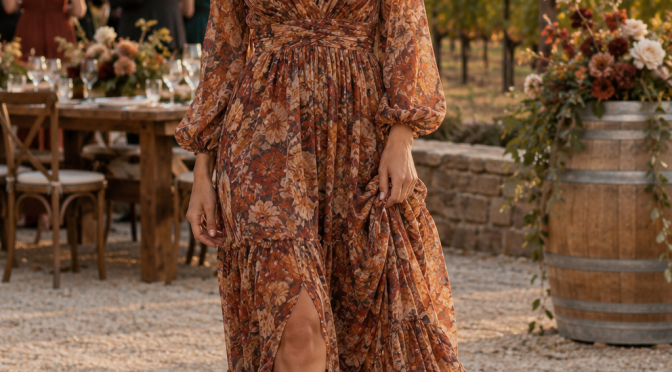
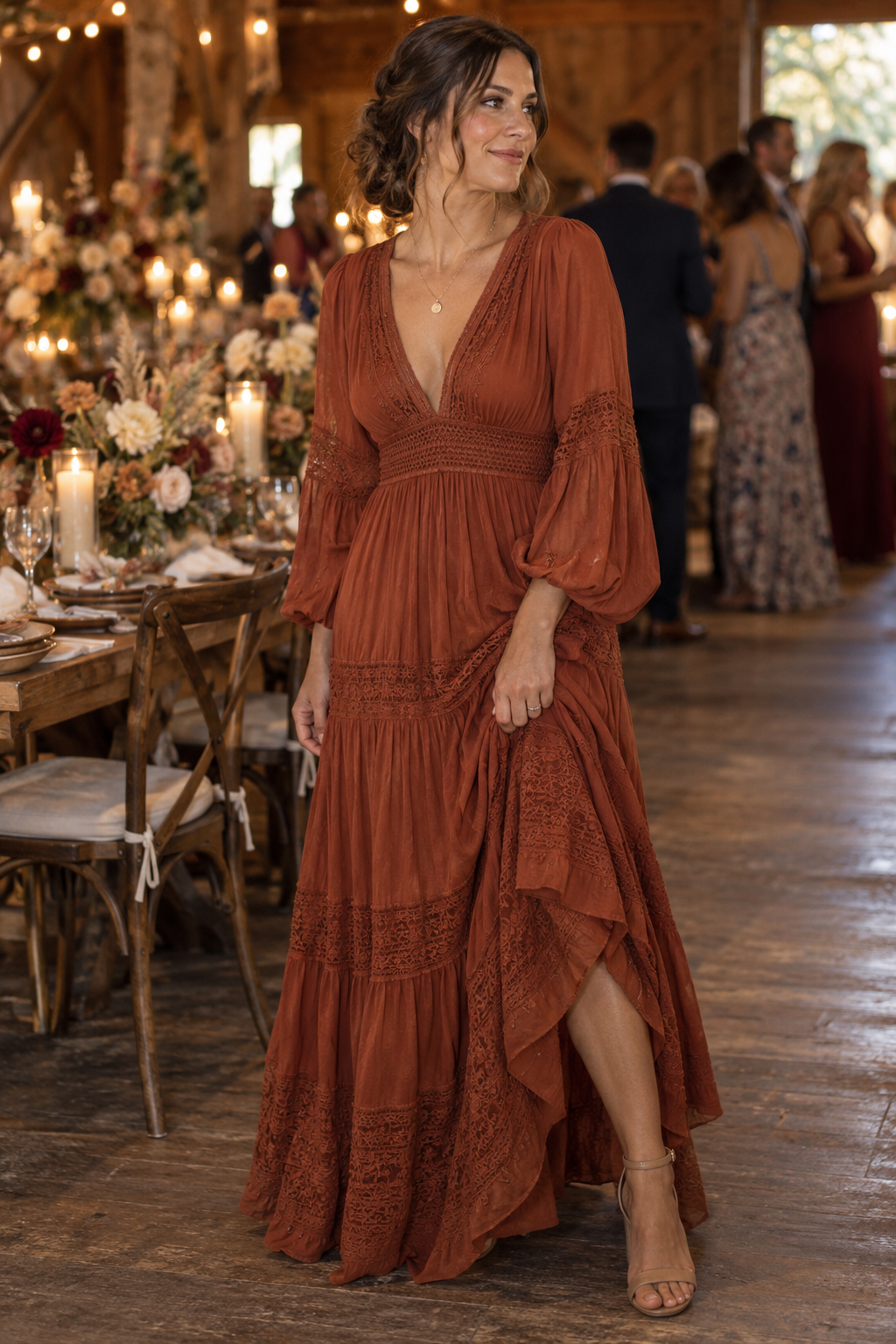
A long-sleeve lace gown suits a cool woodland or autumn celebration, while a slimmer slip-style dress works beautifully by the coast. In a field or garden, a train with manageable length and a skirt you can walk in will make the day more relaxed. The point is not to create a themed costume; it is to choose details that belong naturally in the environment.

Bohemian bridal accessories with lace flowers and ribbon

Style the details softly

Accessories are where a boho look becomes personal. Consider a simple veil, loose ribbon, pearl hairpins, or a small floral accent. Choose shoes that suit the ground and the pace of the day. Minimal jewelry keeps intricate lace or embroidery from feeling crowded, while a vintage-inspired earring can add a gentle focal point.

Keep the look authentic

Boho style works best when it reflects your own comfort level. If you usually prefer clean lines, choose a simple flowing dress with just one textured element. If you love detail, let lace or embroidery lead and keep the rest of the styling quiet. Try the full look together before the wedding so you can see how every piece moves.

The enduring beauty of a boho wedding dress is its sense of freedom. Choose fabrics you want to touch, a shape that allows you to move, and details that feel like a natural part of your story.

Black-Tie Wedding Guest Style: How to Dress With Confidence

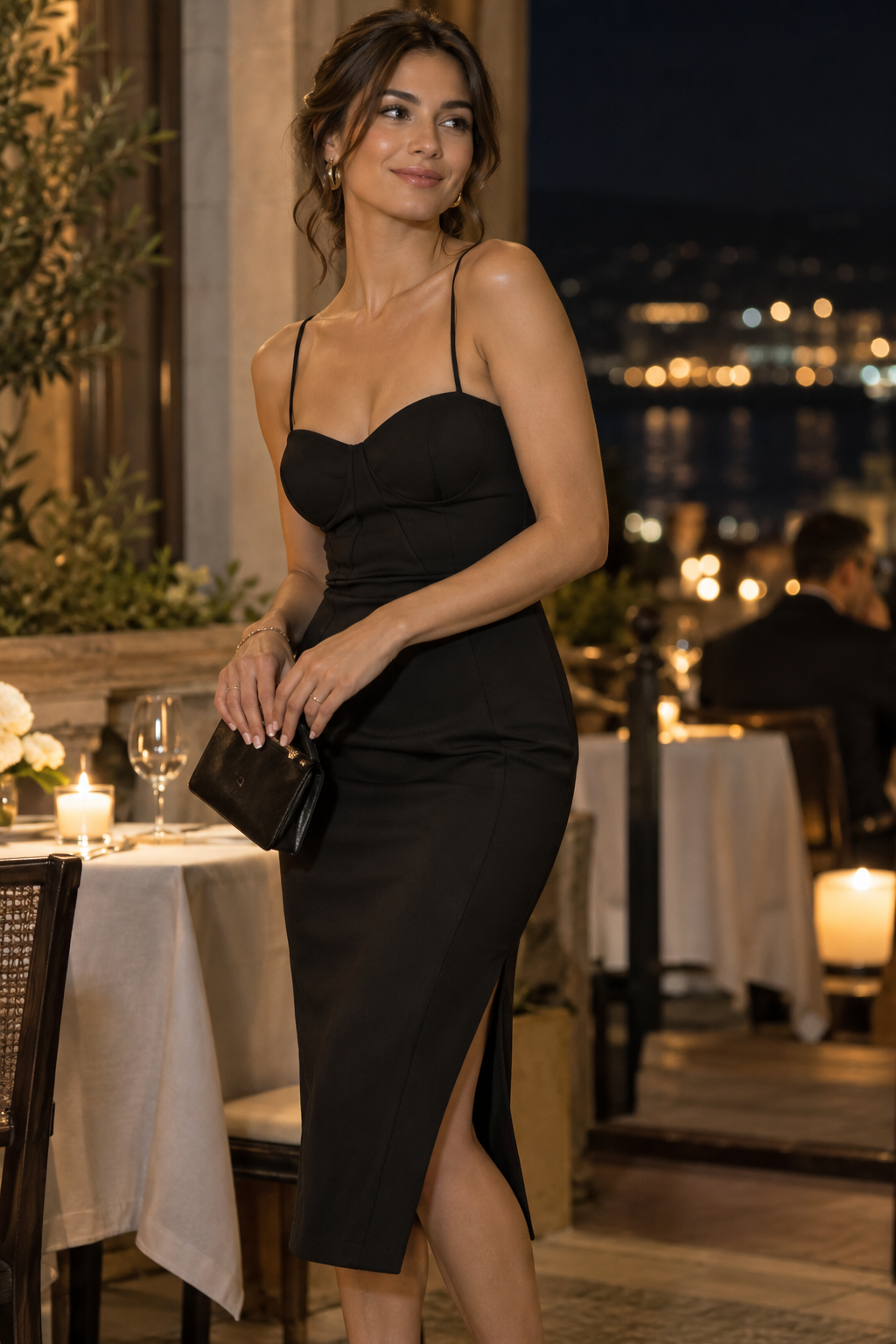
A black-tie wedding is one of the most enjoyable reasons to dress up, but the phrase can still make guests second-guess every detail. The simplest approach is to choose a long or refined midi-length gown, elevate the fabric, and let accessories create a polished finish. The result should feel celebratory, not costume-like.

Midnight navy satin gown in an art deco ballroom

Choose an elegant foundation

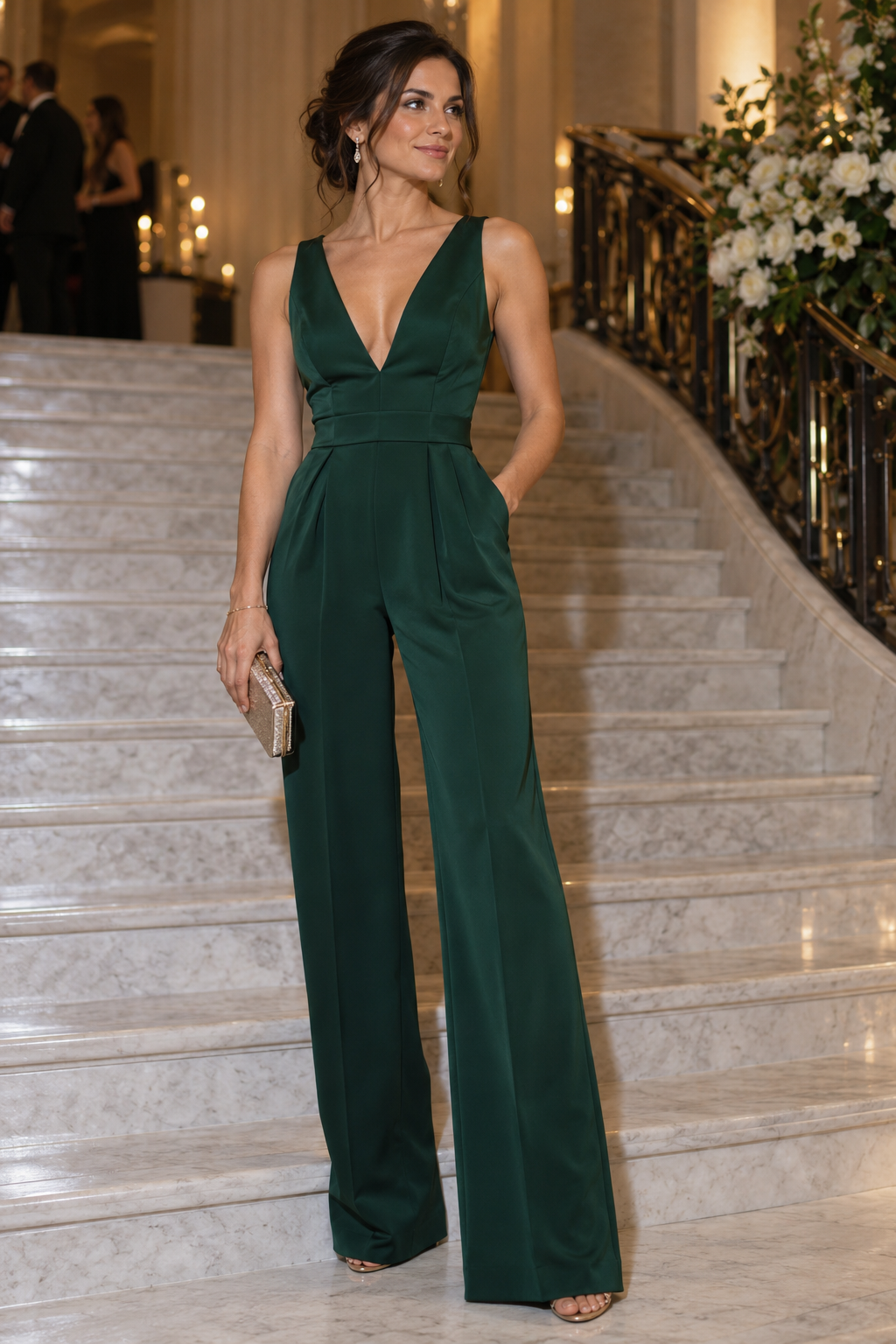
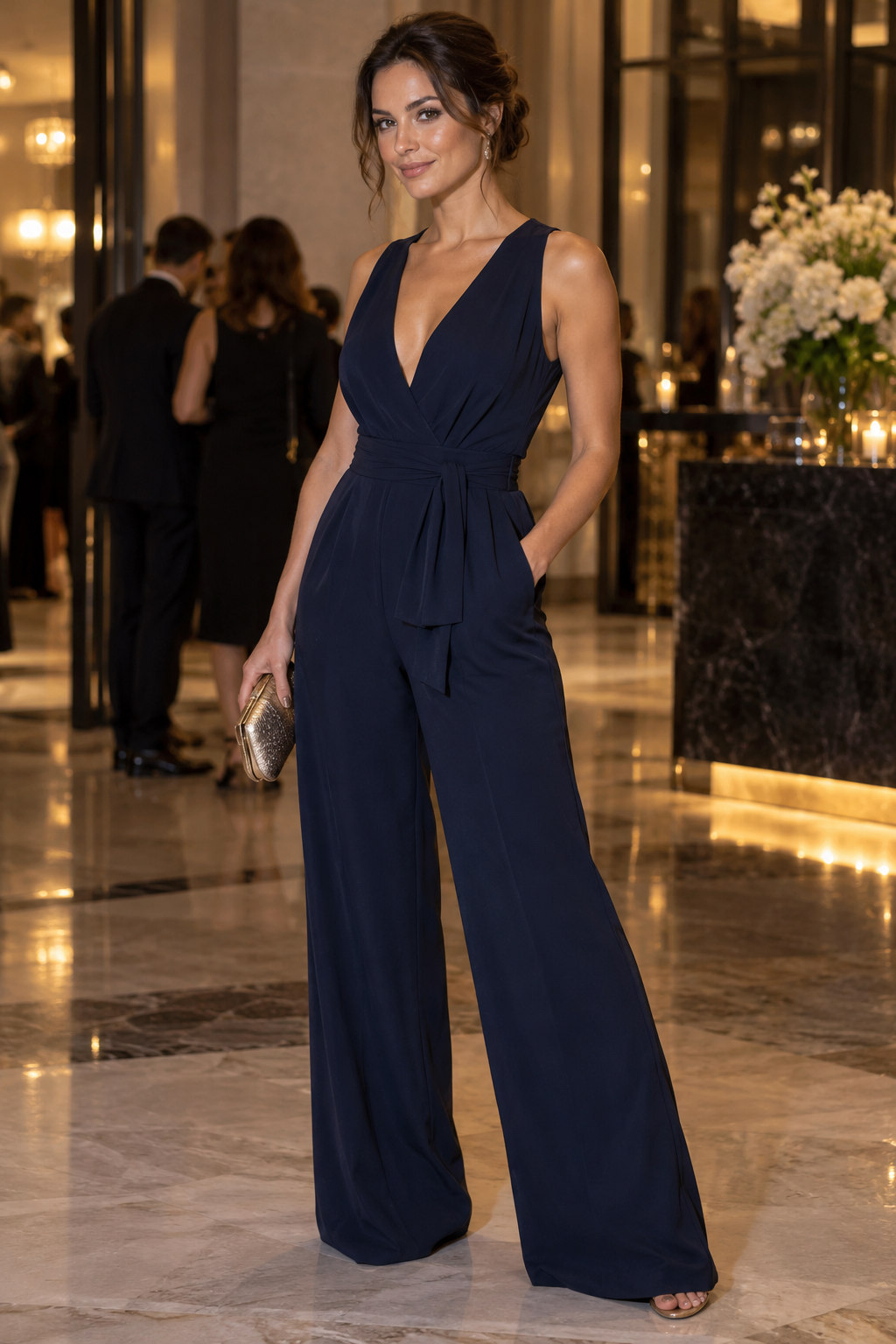
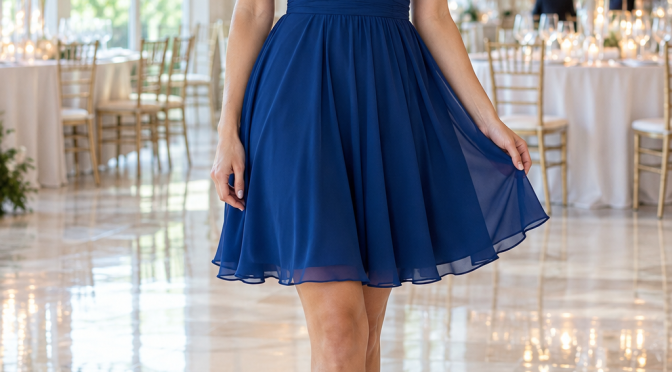
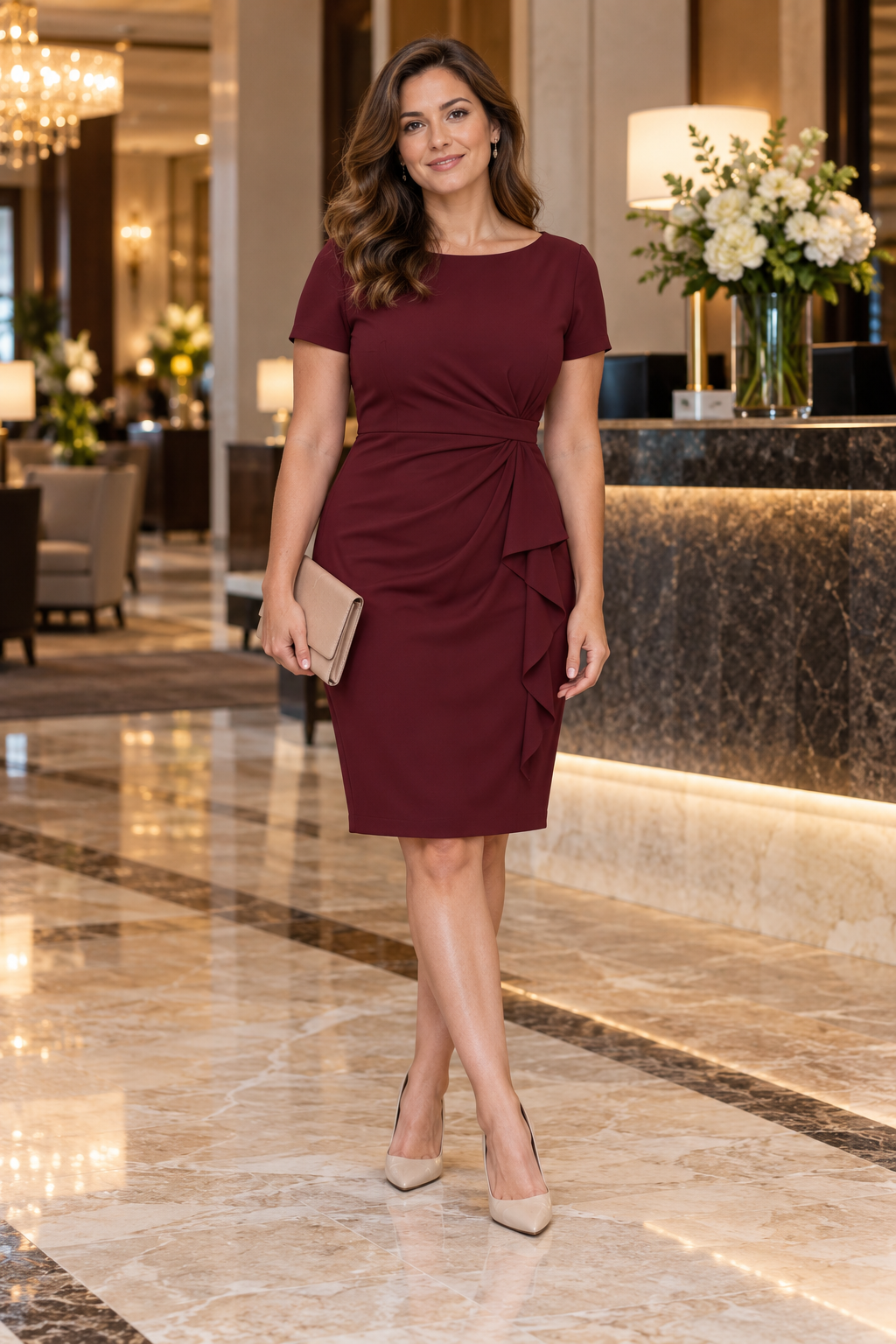
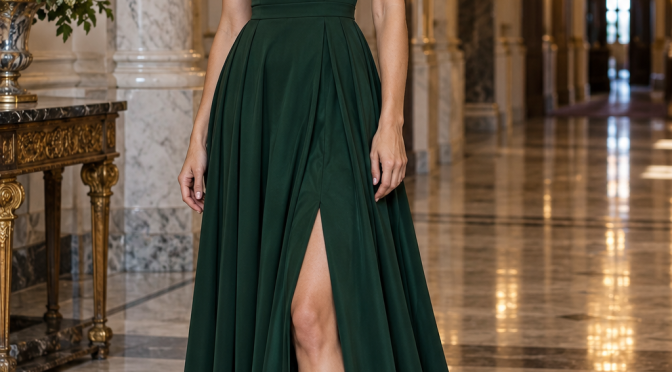
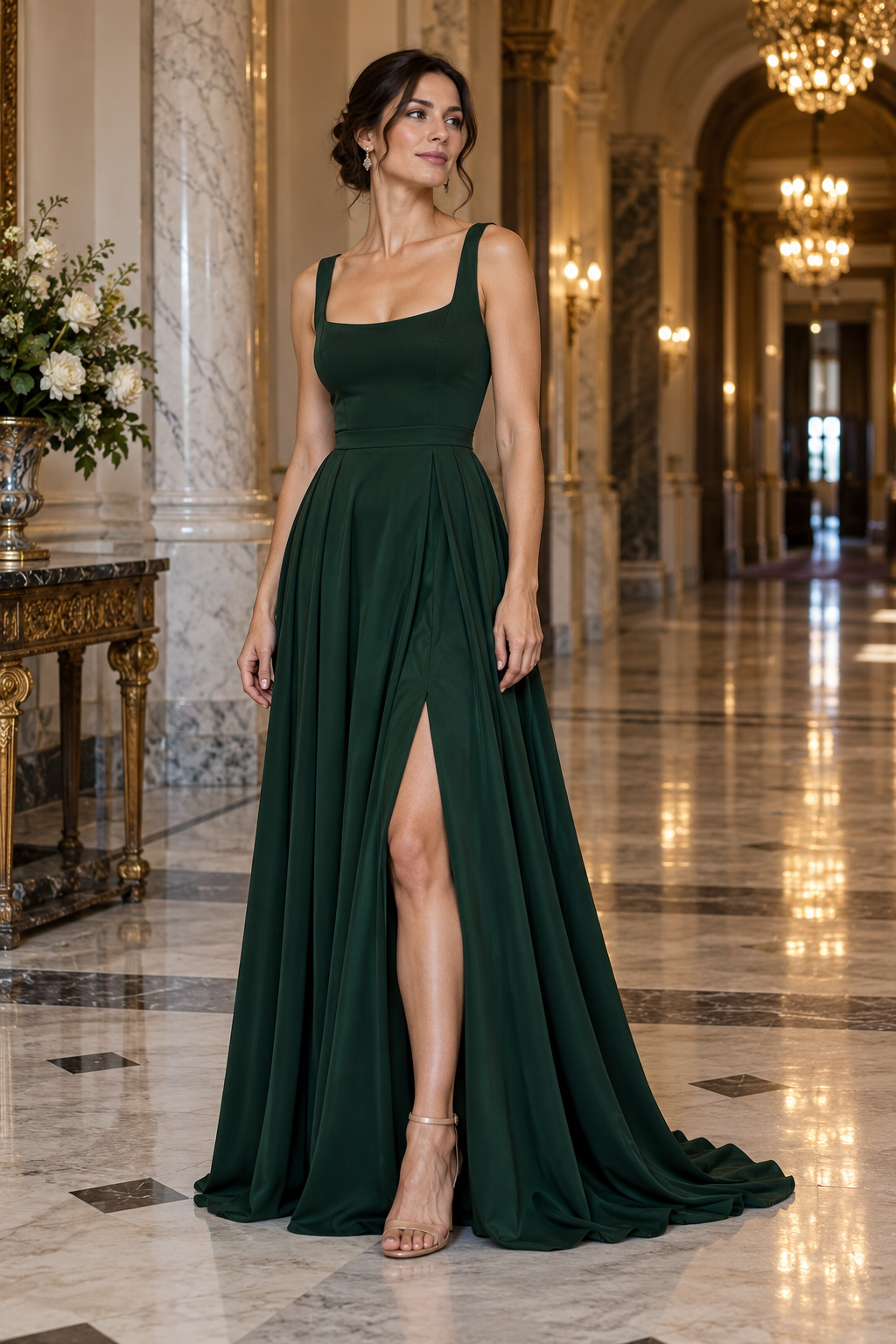
Floor-length evening gowns are the classic answer to black tie, especially for evening ceremonies. A beautifully cut midi can also work when it feels elevated through fabric and fit. Look for satin, crepe, velvet, silk-like drape, or finely detailed embellishment. Darker tones such as navy, black, deep green, burgundy, and plum are timeless, while jewel tones can feel especially striking under evening light.

Let the silhouette do the work

Clean lines always look sophisticated. A one-shoulder column, a softly draped neckline, a sleeved gown, or a defined waist are all elegant choices. Select a fit that lets you sit and dance without restriction. Black tie does not mean uncomfortable; it means every element is intentional and finished.

Black-tie accessories on a velvet table

Finish with restrained accessories

A small evening bag, refined heel, and one meaningful piece of jewelry can be enough. Choose a wrap or tailored evening layer if the venue may be cool. Avoid oversized day bags, casual footwear, or anything that makes the outfit feel divided between day and evening.

Respect the occasion

Check the invitation for a specific color request or cultural guidance. As with every wedding, skip white and very pale bridal-looking shades unless the couple has invited them. When in doubt, a long, beautifully fitted dress in a rich solid color is a reliable choice.

Black tie is ultimately about marking an important moment with care. A confident, comfortable gown lets you be present for the ceremony, the celebration, and every photograph in between.

How to Create a Beautiful Bridesmaid Dress Color Palette

A considered bridesmaid palette can make a wedding feel beautifully cohesive without making every person look identical. Today’s most memorable bridal parties often use a family of shades rather than one exact color. The result feels personal, flattering, and naturally suited to the season.

Dusty rose sage and terracotta bridesmaid dresses

Start with the setting and season

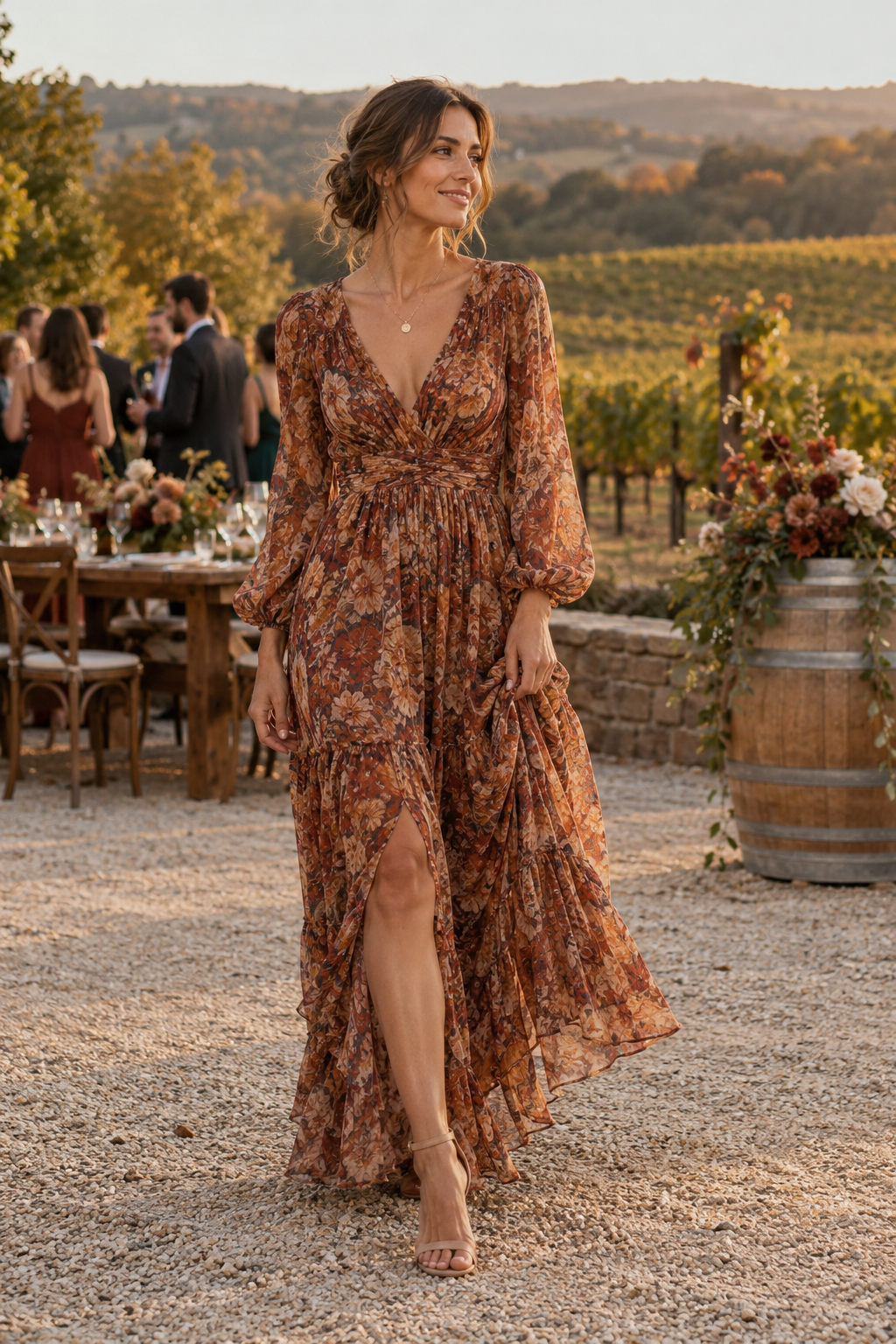
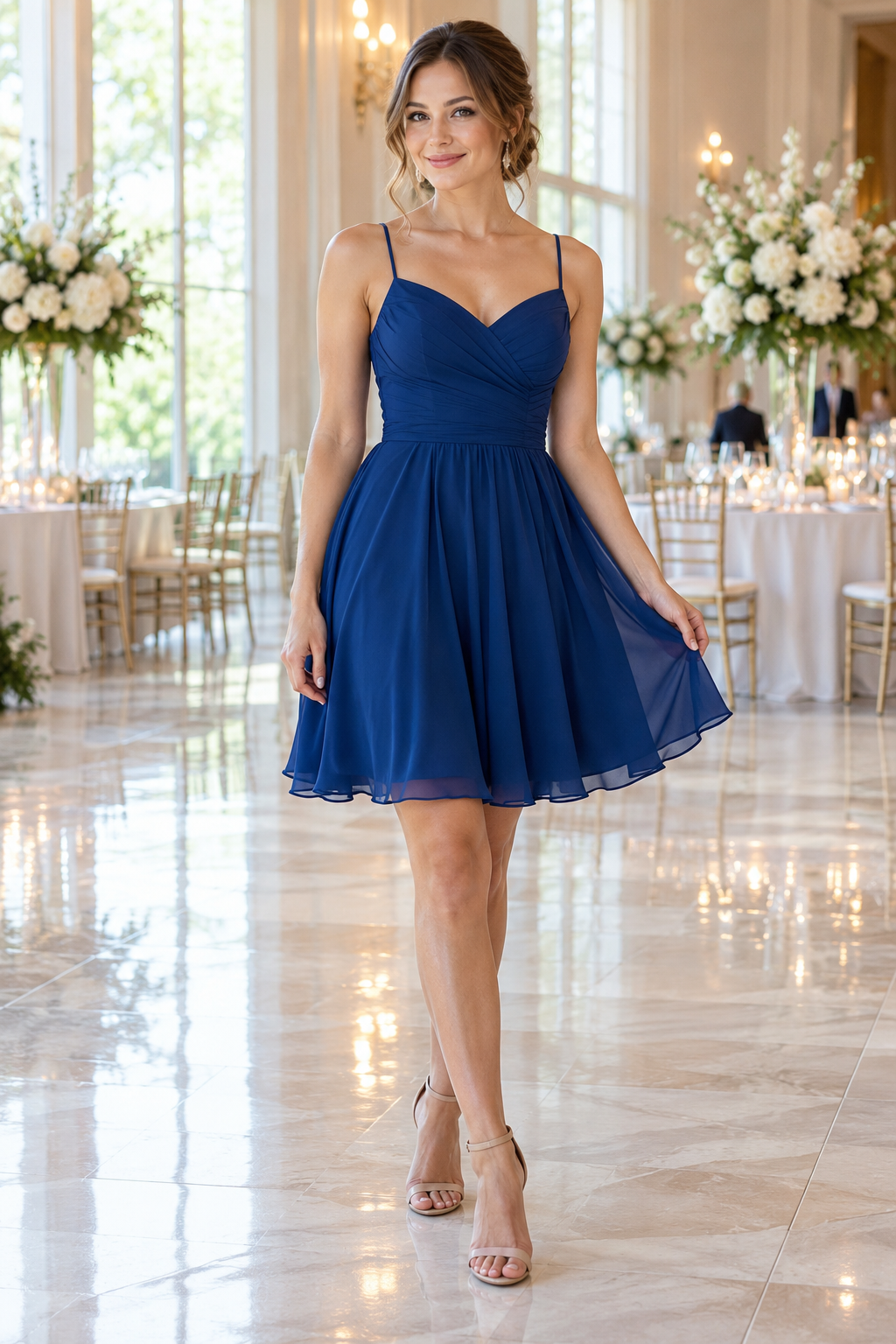
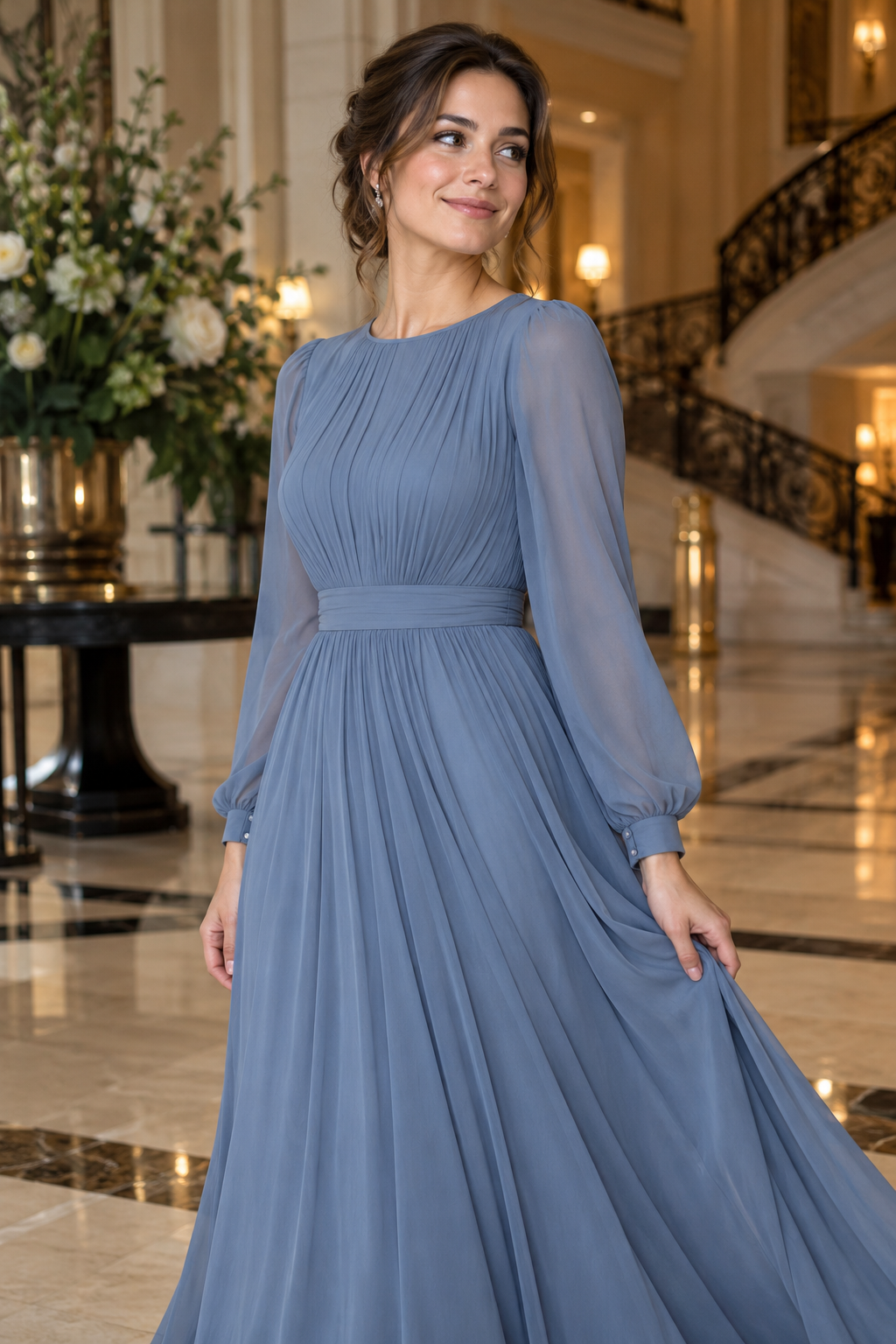
Look at the ceremony space first. A summer garden can carry dusty rose, sage, and pale blue with ease. Autumn celebrations suit terracotta, olive, wine, and warm neutrals. For winter, navy, deep emerald, plum, and cocoa create richness without feeling heavy. A neutral venue gives you more freedom, while a colorful space may call for softer, quieter dresses.

Build a palette, not a uniform

Choose one anchor color and two supporting tones. The shades should share an undertone—warm, cool, or muted—so they look intentional together. Let each bridesmaid select a silhouette that works for her while keeping fabric or length consistent. This approach gives the group rhythm in photos and lets each person feel comfortable.

Bridesmaid fabric swatches in rose sage and terracotta

Use fabric to create depth

Different fabrics catch light in different ways. Matte chiffon feels soft and romantic; satin makes color appear more luminous; velvet adds depth for an evening or winter wedding. If mixing materials, stay within the same color family and test the dresses together in natural light before finalizing the lineup.

Keep accessories coherent

Accessories can unify varied dresses. A shared metal for jewelry, matching bouquet ribbons, or a similar shoe tone creates a clear visual link without taking away individuality. Remember that bouquets and flowers become part of the palette too, so leave room for their color and texture.

The most successful bridesmaid palette feels like an extension of the celebration rather than a strict formula. Give everyone clear direction, offer a little flexibility, and keep the focus on colors that make the entire group feel confident.

What to Wear to a Garden Wedding: A Guest Style Guide

A garden wedding invites a softer, more relaxed kind of elegance. The setting may be outdoors, but the occasion still deserves a thoughtful outfit. The key is choosing a dress that looks polished in photographs, moves easily across grass or stone, and feels right from a sunny ceremony through an evening reception.

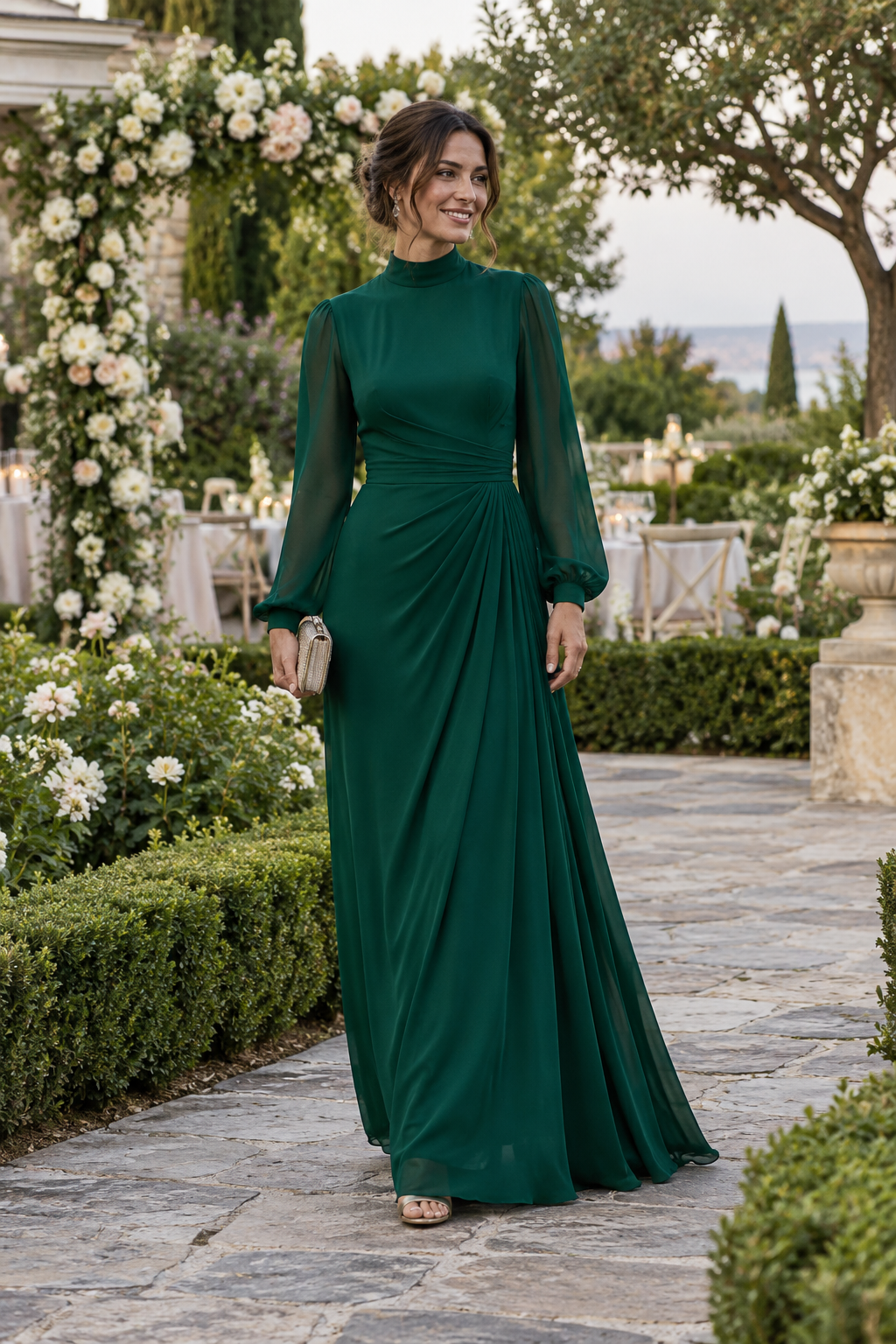
Emerald green pleated midi dress for a garden wedding

Read the invitation first

Start with the dress code and time of day. A daytime garden ceremony often suits floral prints, gentle color, and midi lengths. An afternoon or evening celebration can welcome richer shades, refined tailoring, and a little more shine. Avoid white, ivory, and anything that could compete with the wedding party. If the invitation is formal, choose a longer hemline or a polished cocktail dress rather than something casual.

Choose color with the landscape in mind

Garden settings naturally flatter colors with depth: emerald, cornflower blue, soft terracotta, dusty rose, and muted yellow all photograph beautifully against green surroundings. A single-color dress can feel just as striking as a print when the cut and fabric are elevated. Look for materials that hold their shape while still moving in a breeze.

Wedding guest accessories with nude heels and champagne clutch

Build an outfit that can move

Comfort is part of good style. A block heel, polished sandal, or dressy flat is often a wiser choice than a narrow stiletto on grass. Bring a light wrap for a late reception and choose a compact bag that leaves your hands free. Jewelry can be delicate and personal—small hoops, pearls, or one sculptural piece are usually enough.

Before leaving, test your outfit in daylight. Garden weddings are full of close photographs and candid moments, so a dress that looks good from every angle matters. The best choice will feel celebratory and respectful without looking overly formal for the setting.

Keep the finishing touches light

Let one element lead: perhaps the color of the dress, an interesting neckline, or a beautiful pair of shoes. Then keep the rest edited. This balance gives you a look that feels effortless, not overdone, and lets you enjoy the day without adjusting your outfit at every turn.

The Wedding Dress Silhouette Guide: Find the Shape That Feels Like You

Choosing a wedding dress becomes much easier when you begin with shape rather than a long list of trends. A silhouette determines how a gown sits on the body, how it moves through a room, and how formal or relaxed it feels in photographs. The right choice is never about following a rule; it is about finding a proportion that feels comfortable and unmistakably like you.

Ivory A-line wedding dress in a bright bridal studio

Begin with the shape that feels natural

An A-line dress creates a gentle line from a fitted bodice to a flowing skirt. It is versatile, easy to wear, and beautiful in nearly every setting. A ball gown adds drama and ceremony through volume, while a fit-and-flare or mermaid dress creates a defined, sculpted outline. Sheath and column gowns feel sleek and modern, especially for city ceremonies and intimate celebrations.

Try each family of silhouettes with an open mind. Notice where you can breathe, sit, walk, and lift your arms. The best dress should make movement feel effortless rather than precious. If you love the waist definition of one gown but the skirt of another, that is useful information for your next appointment.

Let fabric set the mood

Lace satin and tulle bridal fabric details

Fabric changes a silhouette completely. Satin and mikado make clean lines look polished and architectural. Tulle introduces softness and airy movement. Lace adds texture, romance, and detail that rewards a closer look. Crepe skims the body with understated ease, while chiffon works beautifully when you want lightness in a warm destination.

Bring your venue, season, and planned accessories into the decision, but do not overlook comfort. A gown can look wonderful on a hanger and still feel wrong after an hour. Spend time standing, sitting, and moving in it before deciding. This simple test often reveals the dress you will feel happiest wearing.

Finish with personal details

Necklines, sleeves, buttons, and veils should support the dress rather than overpower it. A square neckline feels clean and refined; a sweetheart neckline adds softness; an open back can create impact without adding more embellishment. Keep a few saved inspiration images, identify their common details, and trust the pattern you see. Your final look should feel intentional, comfortable, and memorable for all the right reasons.