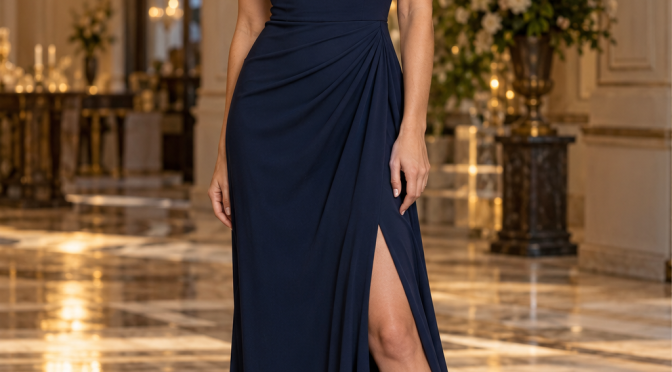
Two evening gowns can share the same silhouette and feel entirely different because of fabric. Material determines how a dress catches light, moves through a room, travels, and feels after several hours. Comparing the main options before you shop can help you choose a gown that suits both the event and your own comfort.
Crepe for clean lines
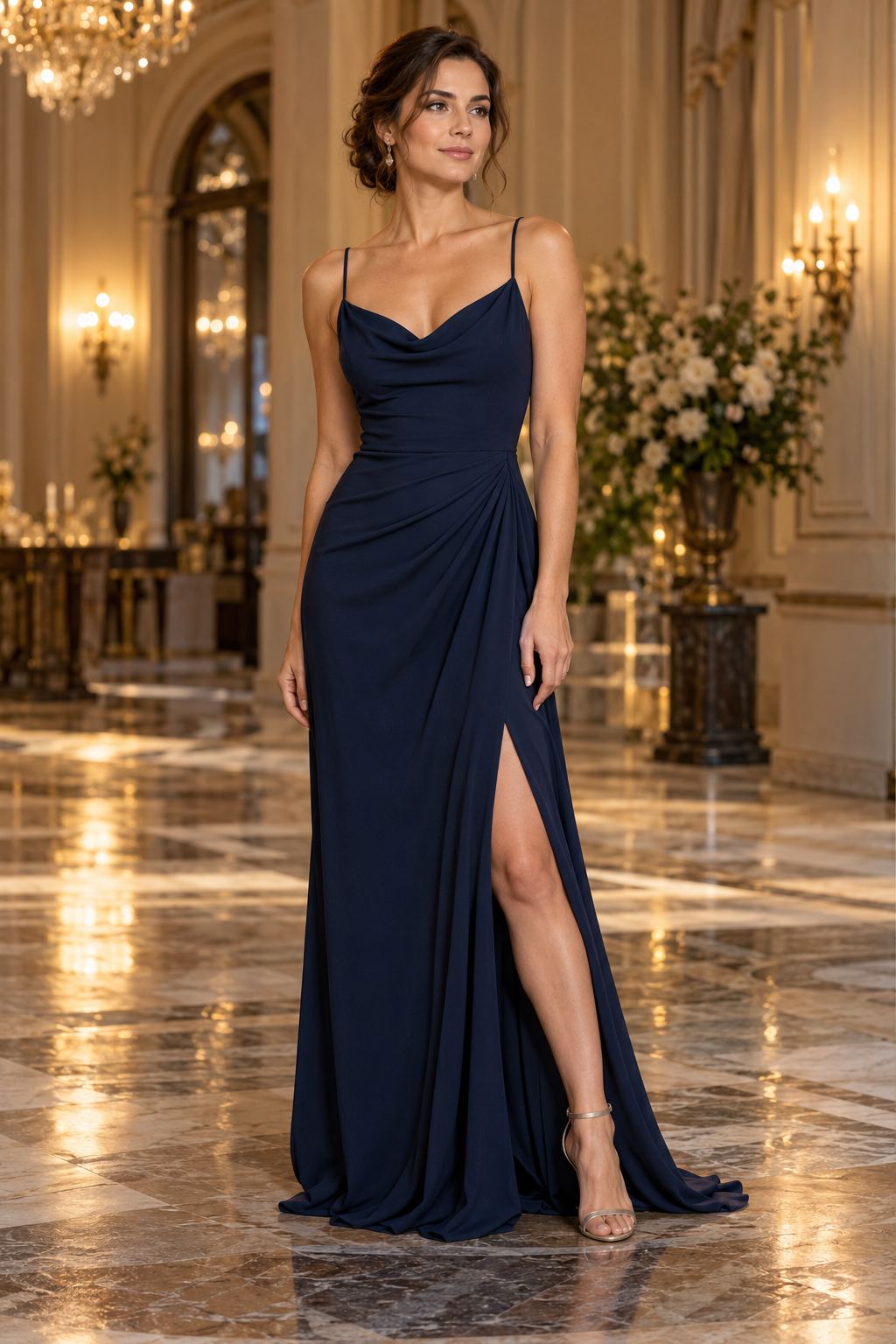
Crepe has a subtle texture and usually gives a matte, modern finish. In a well-cut gown it can skim the body without the high shine of satin. Weight matters: a substantial crepe often holds shape and feels smooth, while a thin version may reveal seams or undergarments. Try the dress while walking and sitting to see whether it recovers from movement. A navy or dark green crepe gown can feel formal without extra embellishment. If you want one evening dress to wear more than once, a simple crepe design may offer useful range through changing accessories.
Satin for light and drape
Satin reflects light and can make a simple gown feel luxurious. Its sheen varies from soft to bright, and the underlying fiber and weight change how it hangs. A heavier satin can create a smooth, sculpted skirt; a lighter one may cling or show creases. Check the gown under indoor lighting similar to the event, because flash and spotlights can emphasize folds. Satin also needs thoughtful care during transport. Hang it properly, plan for steaming if needed, and make sure the fit does not pull across areas where shine will reveal tension.
Chiffon for airy movement
Chiffon is light, soft, and especially effective in flowing skirts or layered sleeves. It can make a formal gown feel romantic without adding heavy volume. Because the fabric is sheer, lining quality is essential. Look at the dress in daylight to confirm coverage and check whether layers move together rather than tangling. Chiffon can catch on jewelry or rough surfaces, so consider the setting. At an outdoor event, a long airy skirt may look beautiful but require a hem with enough clearance. The best chiffon gown feels light without feeling fragile.
Velvet for depth and warmth
Velvet holds color richly and often suits autumn or winter evenings. It can make burgundy, emerald, navy, or black look deep under warm lights. The fabric has a directional surface, so panels should appear consistent rather than changing shade unexpectedly. Velvet is warmer than chiffon and may be uncomfortable in a heated or crowded room. Try the dress in the temperature you expect and check that sleeves and shoulders move freely. A simple velvet silhouette often needs very little jewelry; the surface itself provides texture and visual interest.
Compare care and travel
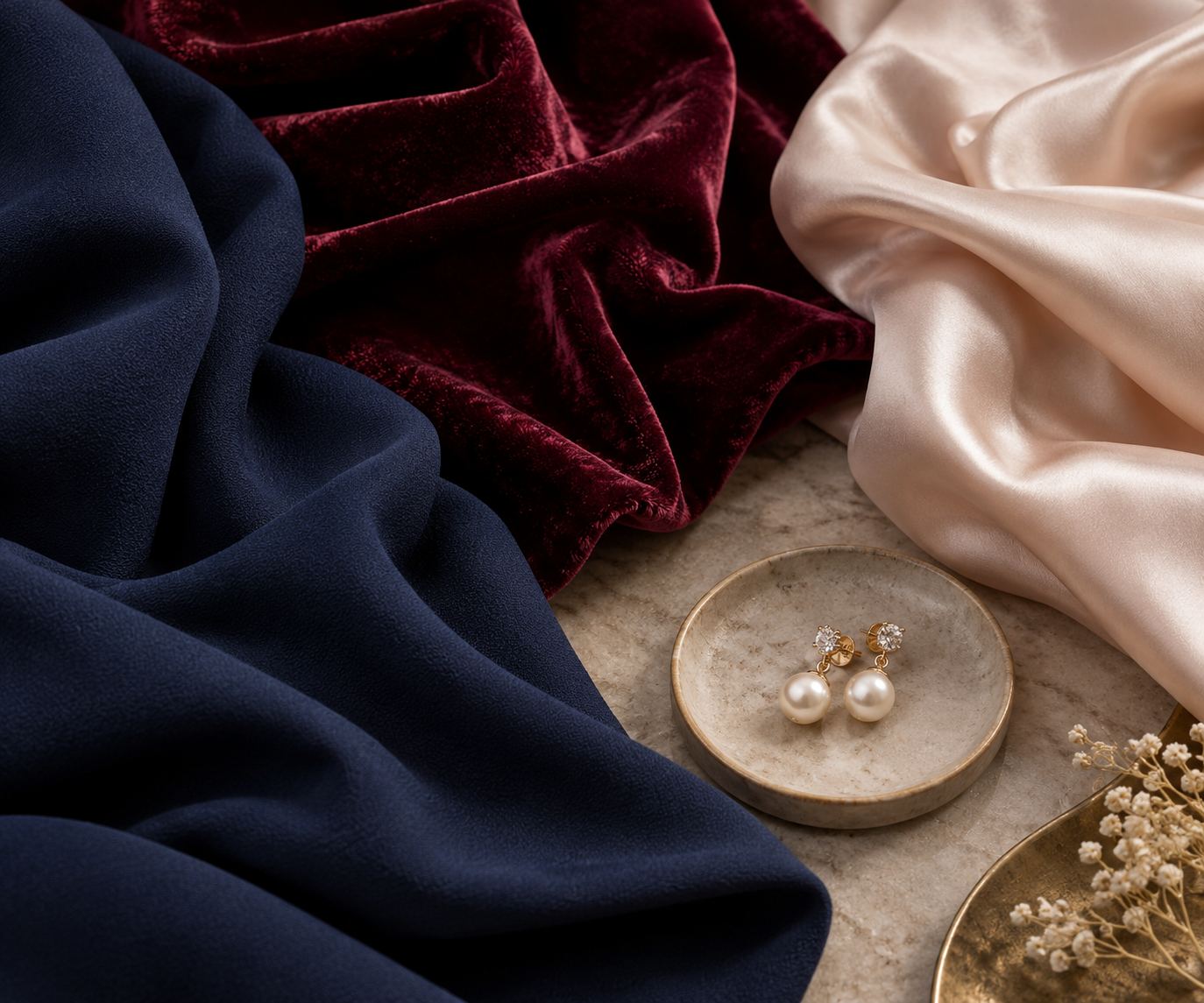
The ideal fabric must fit the logistics of the event. A destination celebration may require a gown that can travel in a garment bag and recover with light steaming. Some satins mark easily, chiffon can snag, and velvet needs careful storage to protect its pile. Read care instructions before buying, particularly if the dress is intended for repeat wear. Ask about alterations too: beading, layered chiffon, and delicate hems can increase the work involved. Consider how much maintenance you are willing to give the gown after the celebration.
Choose by experience, not only appearance
Photographs help you compare, but a fitting reveals how fabric feels on your body. Wear each gown for several minutes, then sit, turn, and walk. Notice temperature, weight, and whether the lining moves smoothly. Think about the venue and the hours you will spend there. Crepe may serve a sleek city gala, satin a glamorous dinner, chiffon a garden celebration, and velvet a winter evening, but these are starting points rather than rules. The right material supports the way you want to move and feel throughout the event.
Which evening gown fabric photographs best?
Any of these can photograph beautifully when the cut and lighting work together. Matte crepe shows shape clearly, satin catches highlights, chiffon records movement, and velvet gives depth. Try a few photographs in lighting similar to the venue and choose the fabric you also enjoy wearing.
What about blended fabrics?
Many gowns combine fibers or use a synthetic version of a familiar fabric. Judge the actual garment rather than the label alone. Check breathability, stretch recovery, lining, and how the surface responds to light. A well-made blend can be easier to care for than a delicate pure fiber. Bring the dress into daylight and move in it before deciding whether the tradeoff works for your event.