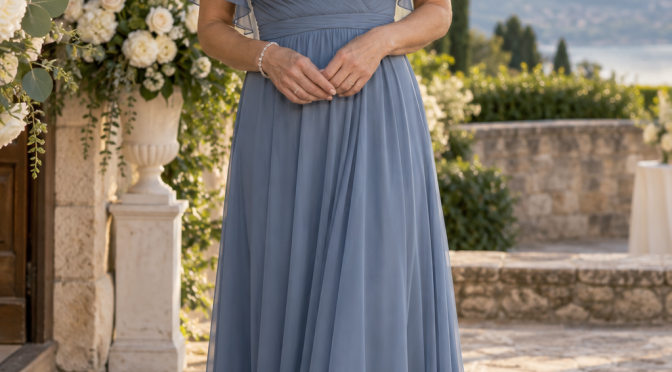
Choosing a mother of the bride or groom dress can feel unusually public: it must suit the wedding, photograph well, and remain comfortable through a long day. The clearest approach is to begin with the couple’s plans and your own preferences, then allow time for fit and tailoring. You deserve an outfit that feels like you while showing care for the occasion.
Begin with the wedding details
Ask about the ceremony setting, formality, season, and any color guidance before shopping. A daytime garden wedding may call for a different fabric and length from an evening hotel celebration. It is useful to know the wedding party palette, but you need not match it exactly. Choose a shade that sits comfortably beside it without looking like another bridesmaid dress. If both families want to coordinate, share general plans early and keep the conversation simple. A confident choice usually comes from clear information, not from trying to predict every guest outfit.
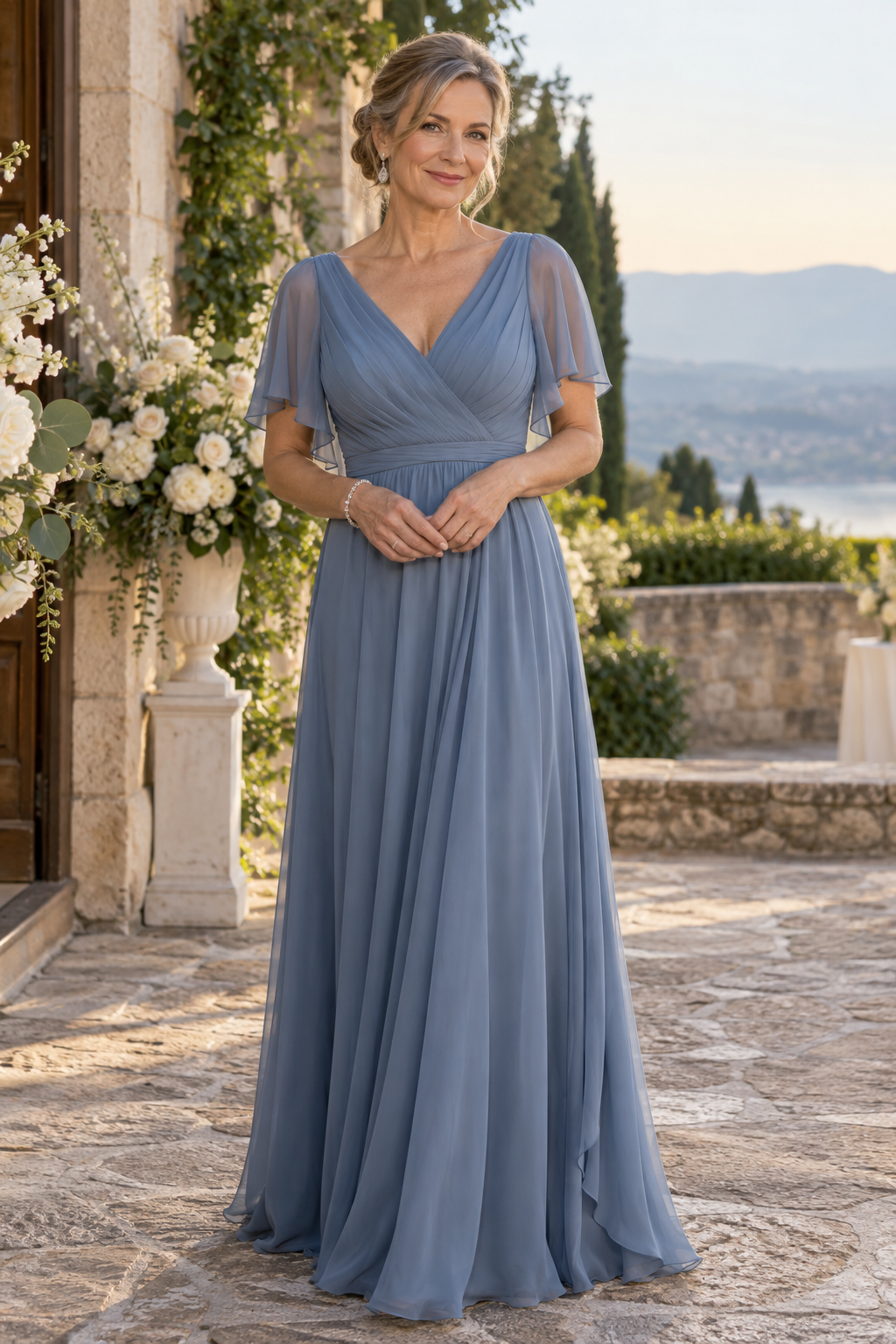
Choose color for the whole day
Dusty blue, mauve, navy, sage, and rich jewel tones can all work beautifully, depending on the setting. Hold a fabric sample near your face in daylight, then look at it under warm indoor light. Some pale tones can appear almost white in strong sun or flash, so check photographs before committing. If the couple has requested a particular palette, look for a shade you genuinely enjoy wearing within it. Color should make you feel comfortable and visible in family photographs without competing with the bride or groom.
Fit the shoulders and bodice first
A long wedding day reveals small fit problems quickly. Make sure the shoulders sit correctly, the neckline remains secure when you lean forward, and the bodice lets you breathe while seated. A-line, column, wrap, and softly tailored shapes can all look elegant; there is no single age-appropriate silhouette. Try a few options and focus on how the garment follows your body in motion. If the bust or shoulder fit is wrong, simple hemming may not solve it. Buy for the hardest areas to alter and ask a tailor to refine the rest.
Consider sleeves and layers
Sleeves can add coverage and change the mood of a dress, but they should allow you to reach, embrace, and dance. A light jacket, refined wrap, or matching layer may be more flexible when the weather changes. Test the layer with the dress before buying: a bulky jacket can hide the silhouette or crease the fabric beneath it. If the ceremony is outdoors and the reception indoors, choose a combination that works in both places. Comfort across temperature changes makes it easier to stay engaged with the event.
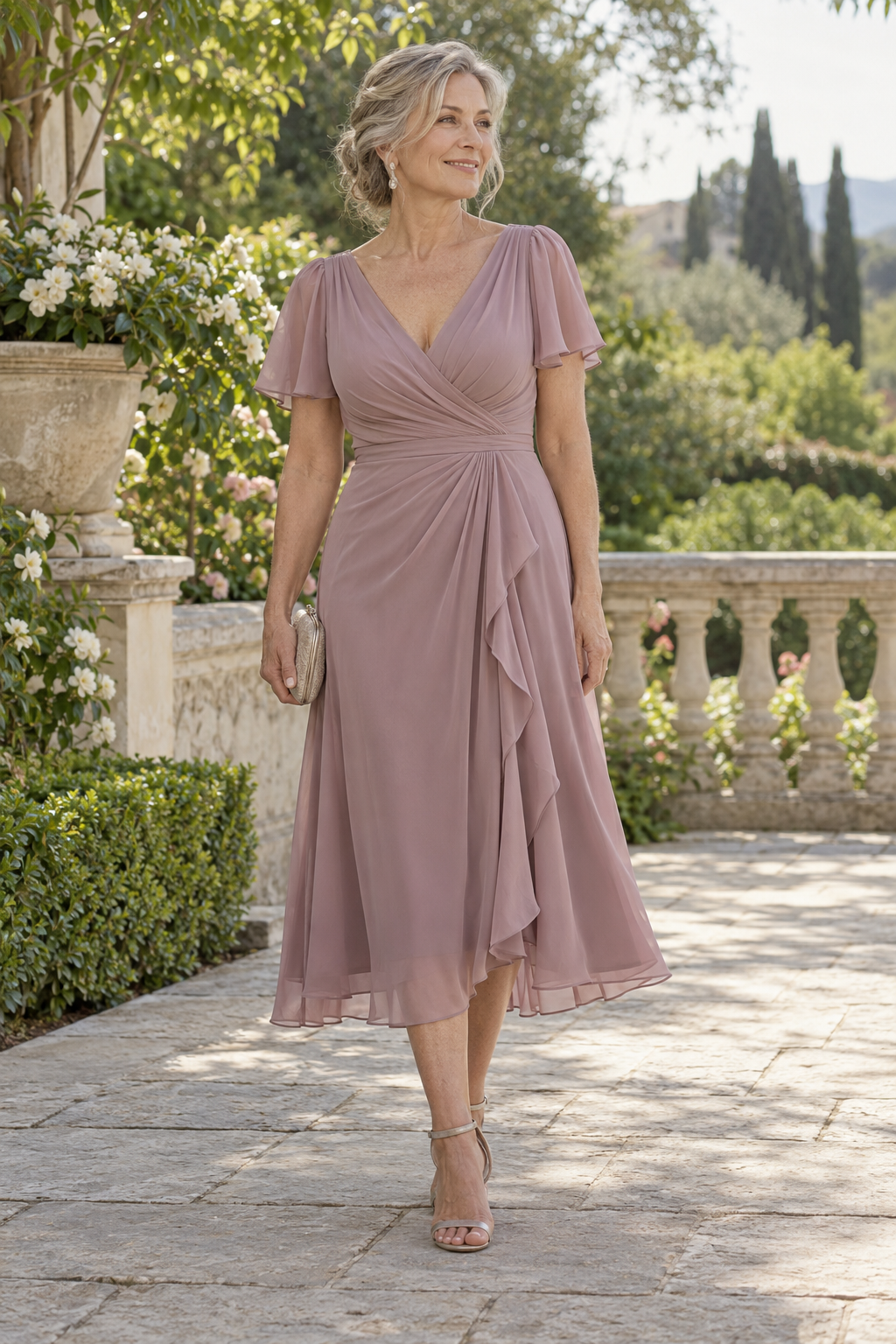
Plan shoes and accessories
You may be standing for greetings, photographs, and dancing, so choose shoes you can actually wear for hours. A low heel or polished flat can look as elegant as a higher shoe when the hem is tailored for it. Keep a compact bag for essentials and choose jewelry that supports the neckline. If the dress is embellished, quieter accessories often look best. Try the complete outfit before the wedding, including outerwear. This final rehearsal reveals whether the bag, shoes, and dress feel like one considered look.
Leave time for alterations
Shopping early creates room for a calm fitting rather than a rushed compromise. Bring the shoes and undergarments you plan to wear. Ask the tailor to check hem length while you walk and sit, and review sleeve movement if relevant. Photograph the outfit in daylight and indoor light. Once it feels secure and comfortable, stop searching. The strongest mother of the bride or groom look is one that lets you focus on your family and enjoy the day, not on managing the garment.
Should the mothers wear matching colors?
They do not need to match. Coordination may help family photographs, but complementary colors and a similar level of formality usually matter more. Ask the couple if they have a preference, then choose a shade and silhouette that still feel personal to you.
What should I ask the couple before buying?
Ask about formality, venue, ceremony timing, and any preferred color boundaries. You do not need approval for every detail, but a few clear answers can prevent uncertainty later. If the bride and groom have no preference, take that as permission to choose something that feels right for you. Keep a photo of the dress and accessories together so you can compare them with the wedding palette without asking the couple to make every decision.