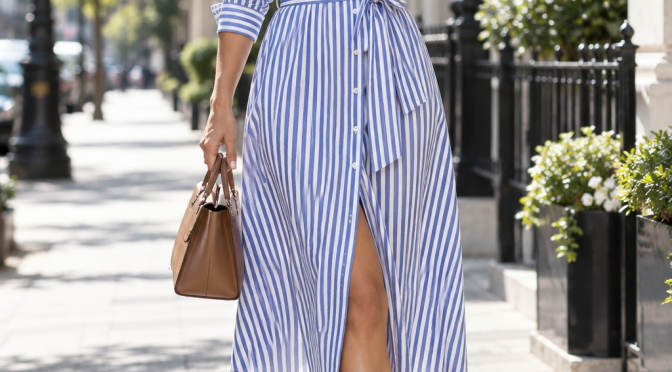
A shirt dress borrows the structure of a button-front shirt and adds the ease of a dress. That combination makes it useful for work, travel, and weekends, but small choices in fabric and fit change its character. A good shirt dress should feel intentional when worn alone and flexible when layered.
Start with the shoulder fit
The shoulder line determines whether a shirt dress feels tailored or oversized. A relaxed dropped shoulder can be deliberate, but an accidental one may make the whole garment look too large. Check sleeve movement and whether buttons pull across the bust when you sit or reach. If the dress is intended for work, verify that the placket stays closed comfortably. Choose a fit that gives enough room without relying on a belt to fix every proportion. The waist and hem can often be adjusted more easily than the shoulders.
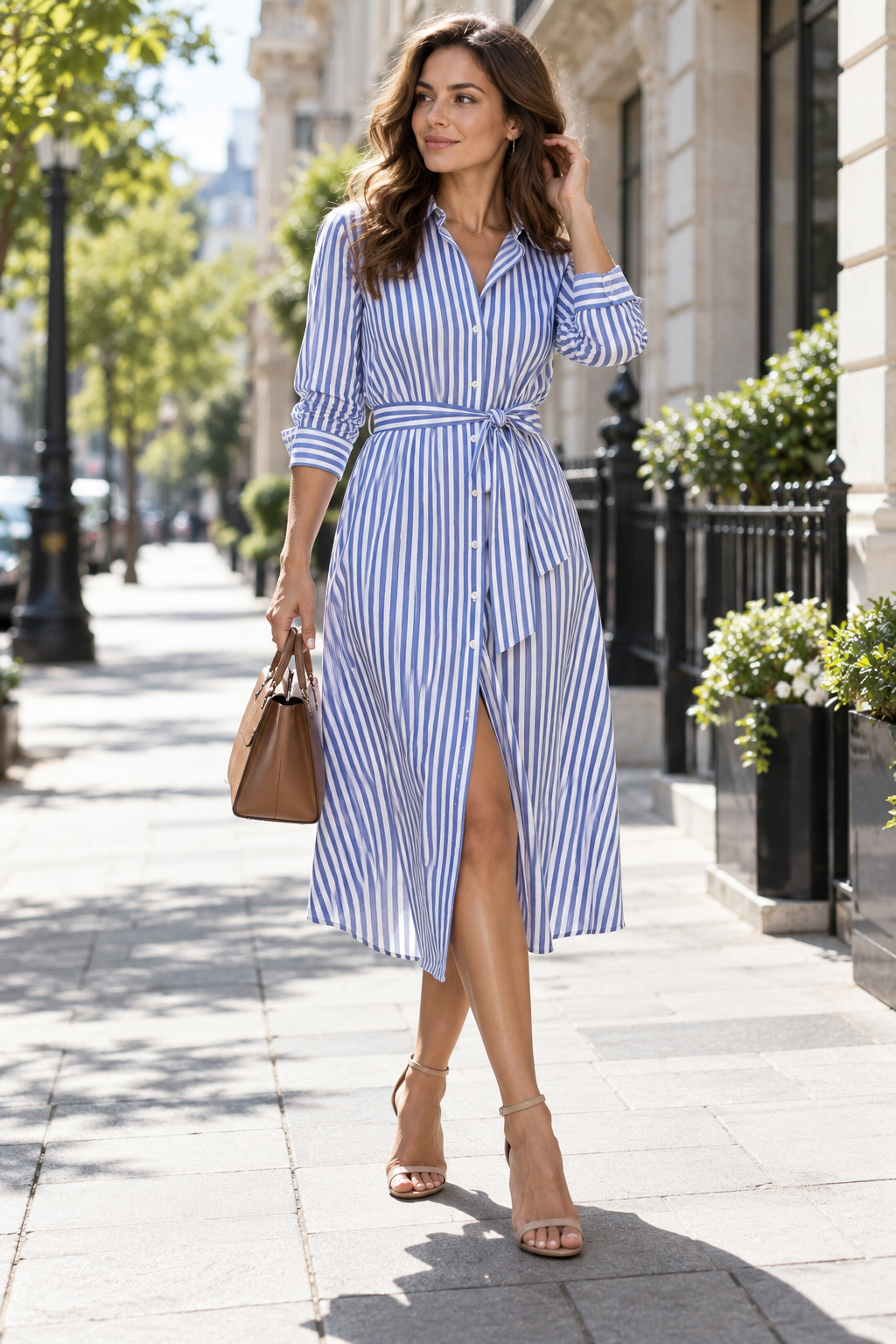
Choose fabric for the schedule
Crisp cotton poplin creates shape and feels fresh for daytime. Linen is breathable but wrinkles readily, which may suit a casual weekend better than a formal office. Tencel and soft blends drape more fluidly, while denim gives the dress a sturdy, casual mood. Hold the fabric up to light to check opacity and feel its weight. A very thin material may need a slip; a very heavy one may not move comfortably. The best fabric depends on where you plan to wear the dress most often.
Use the belt deliberately
A self-tie belt can define the waist, but it is only one option. Try wearing the dress loose, with the belt at your natural waist, and with a different belt for more structure. Notice where the fabric gathers; too much bulk at the middle can make the look feel untidy. If the dress has a straight shape, leaving a few lower buttons open over trousers can create another outfit. Keep the result appropriate to the setting and secure enough for movement. The goal is flexibility without constant adjustment.
Change footwear to shift the mood
A polished flat or low heel makes a shirt dress easy for work. Clean trainers can relax it for weekend errands, while a refined sandal suits a warm-weather lunch. Boots and a tailored coat can extend it into cooler months. Check the hem with each shoe because the overall proportion changes. A midi length that looks balanced with a heel may feel heavier with a flat. You do not need a new dress for every setting when one cut can be styled thoughtfully.
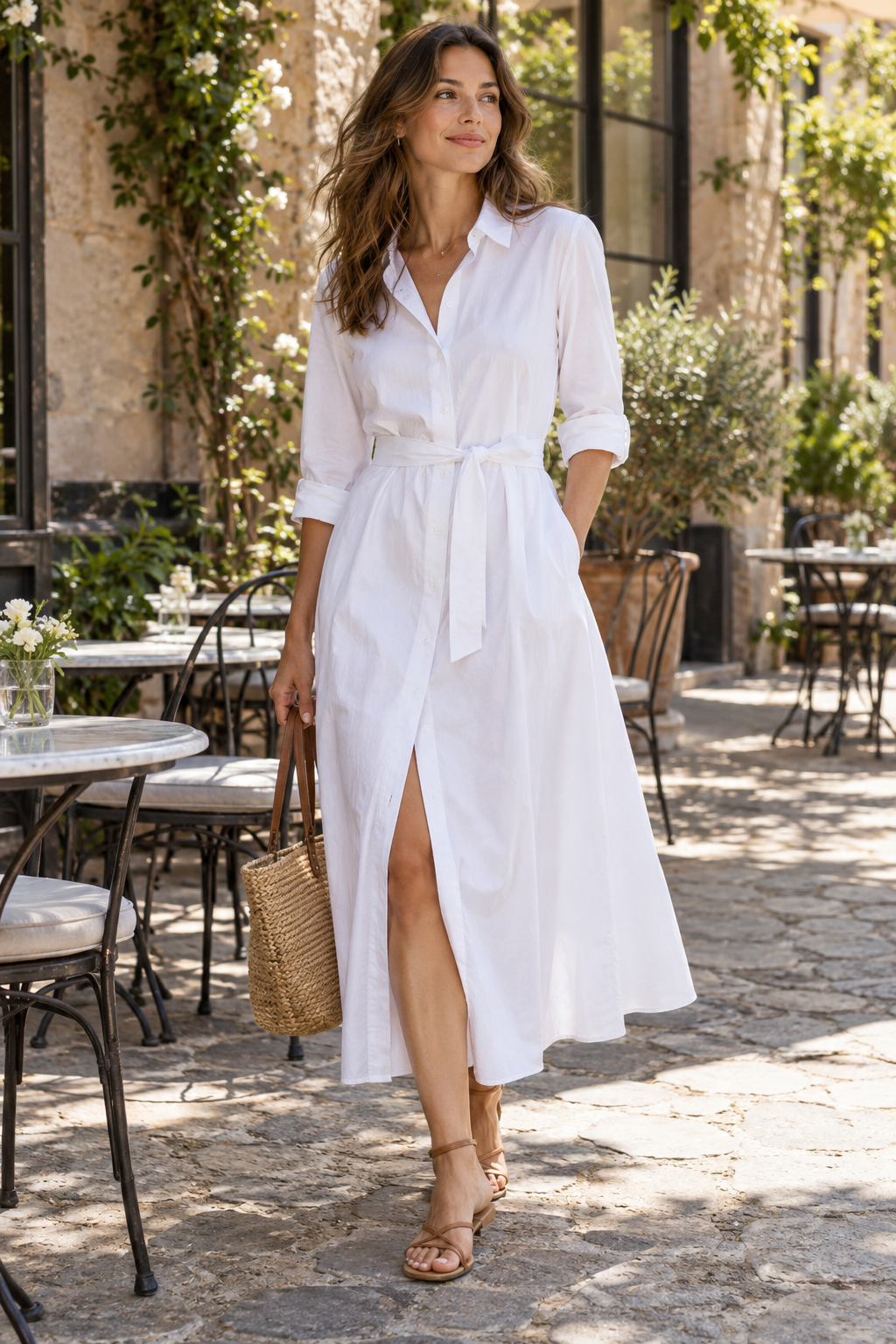
Layer without hiding the shape
A blazer sharpens a soft shirt dress, while a fine knit over the shoulders gives a more relaxed feel. For colder weather, a fitted layer beneath can add warmth if the armholes and buttons allow it. Try layers at home before leaving: a bulky sweater can bunch under the dress, and a short jacket may cut across an awkward point. A long coat can preserve the vertical line. Think about the neckline too; leaving the top button open may soften a structured outfit, while closing it can feel more tailored.
Care for repeat wear
Because shirt dresses are often worn frequently, care matters. Check whether the fabric needs ironing, whether the buttons are secure, and how the collar holds its shape after washing. A small repair can extend the life of a favorite piece. Before buying, imagine three outfits using shoes and layers you already own. If the dress works across those situations and feels comfortable when you sit and walk, it may become one of the most useful garments in your wardrobe.
Can a shirt dress work for a smart-casual dinner?
Yes. Choose a refined fabric and an intentional fit, then add polished shoes and a small bag. A darker solid color or subtle stripe often feels more dressed up than a very casual print. Check the venue and make sure the dress remains comfortable through a seated meal.
What makes a shirt dress look polished?
Fit at the shoulder and bust, a clean collar, secure buttons, and a hem that looks intentional make the biggest difference. Steam or press the fabric when needed and choose shoes that suit the occasion. A belt can add structure, but it should not be required to make an oversized garment fit. Pay attention to the placket while seated. When these details work, the dress can look effortless in a way that still feels carefully considered.