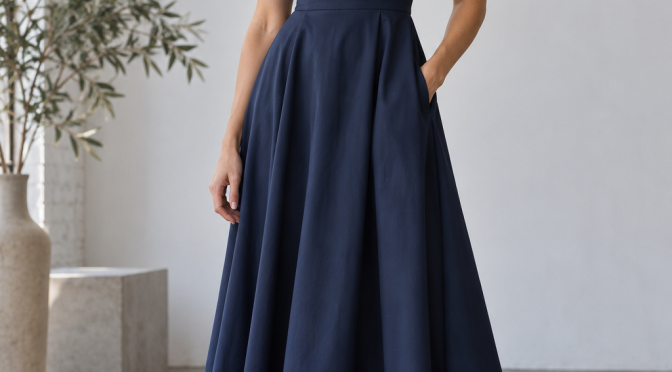
Online dress shopping is easier when you compare your body measurements with the garment’s actual dimensions rather than relying on a familiar size label. Brands vary, and even two styles from one brand may fit differently. A few careful measurements, a close look at the cut, and a clear return plan can reduce disappointment.
Gather the right tools
Use a flexible measuring tape and stand in front of a mirror, or ask someone to help. Wear the undergarments you expect to use with the dress. Keep the tape level and comfortably close to the body without pulling it tight. Record the date because measurements can change over time. Check the brand’s instructions: some charts describe body measurements, while others give finished garment measurements. That difference matters. A dress with no stretch needs room to move beyond the exact number around your body.
Measure bust, waist and hip
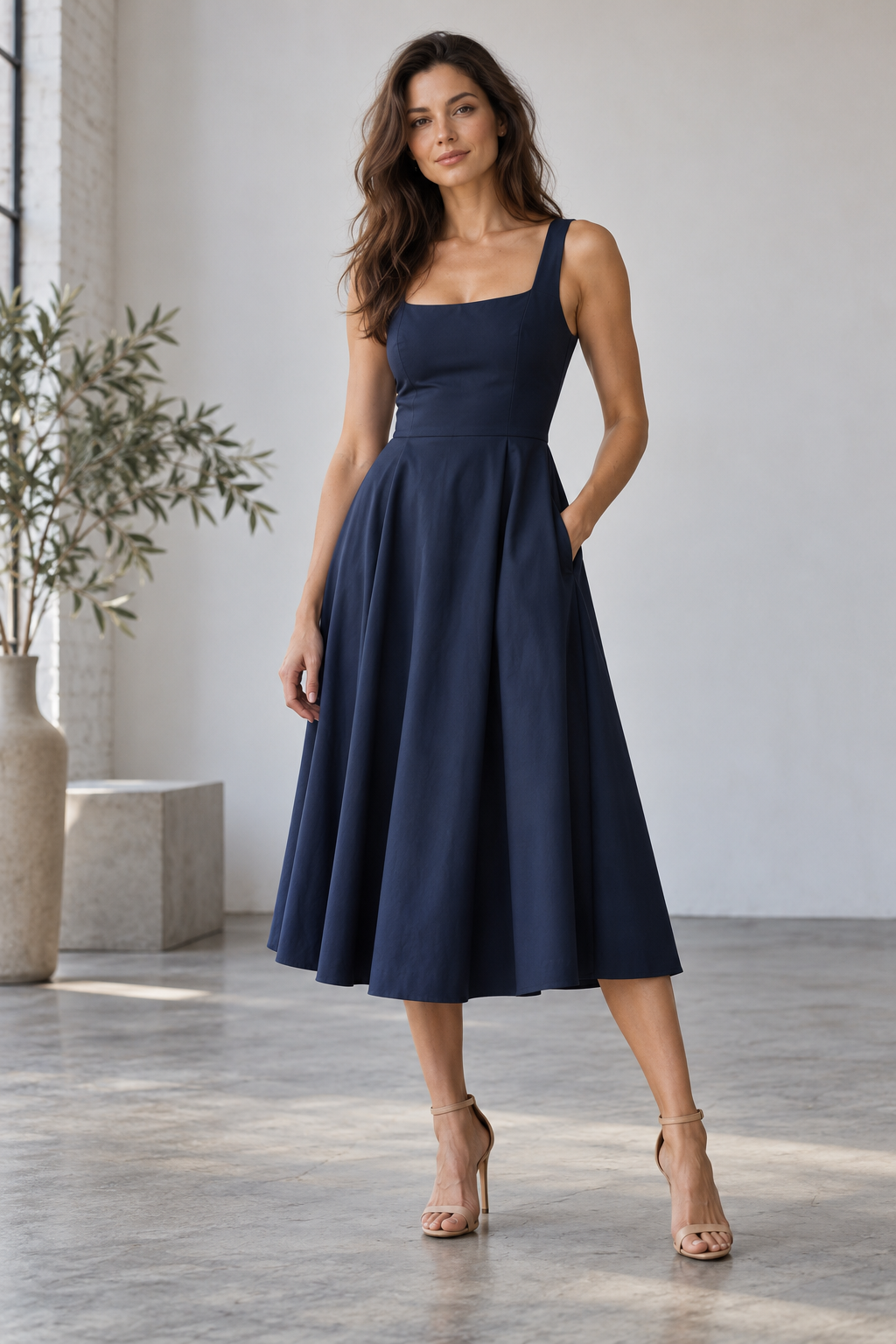
For the bust, measure around the fullest point while keeping the tape horizontal. Find your natural waist by bending gently to one side and measuring at the crease, not wherever a trouser waistband happens to sit. Measure the fullest part of the hip while standing with feet together. Repeat each measurement to check consistency. If the numbers fall between sizes, prioritize the area that is hardest to alter and consider the dress silhouette. A loose A-line skirt has different fit demands from a fitted sheath.
Check length and shoulder details
A product’s stated length may be measured from the shoulder, waist, or center back. Read the description before comparing it with your own height. Measure from the relevant point to the hem you want, ideally while wearing planned shoes. For sleeved dresses, check shoulder width and arm length if the chart provides them. Reviews from shoppers of similar height can be helpful, but photographs may use different shoes or camera angles. Treat them as extra context rather than exact measurements.
Understand ease and stretch
Ease is the difference between your body measurement and the garment measurement. A woven dress usually needs enough ease to let you sit and move, while a stretch knit may be designed to fit closer. Look for fabric composition and any note about stretch. A size chart alone cannot tell you whether the dress feels comfortable across the shoulders or through the seat. When possible, compare the listed garment dimensions with a dress you already own and like. Lay that dress flat and measure it using the same points.
Read reviews and return terms
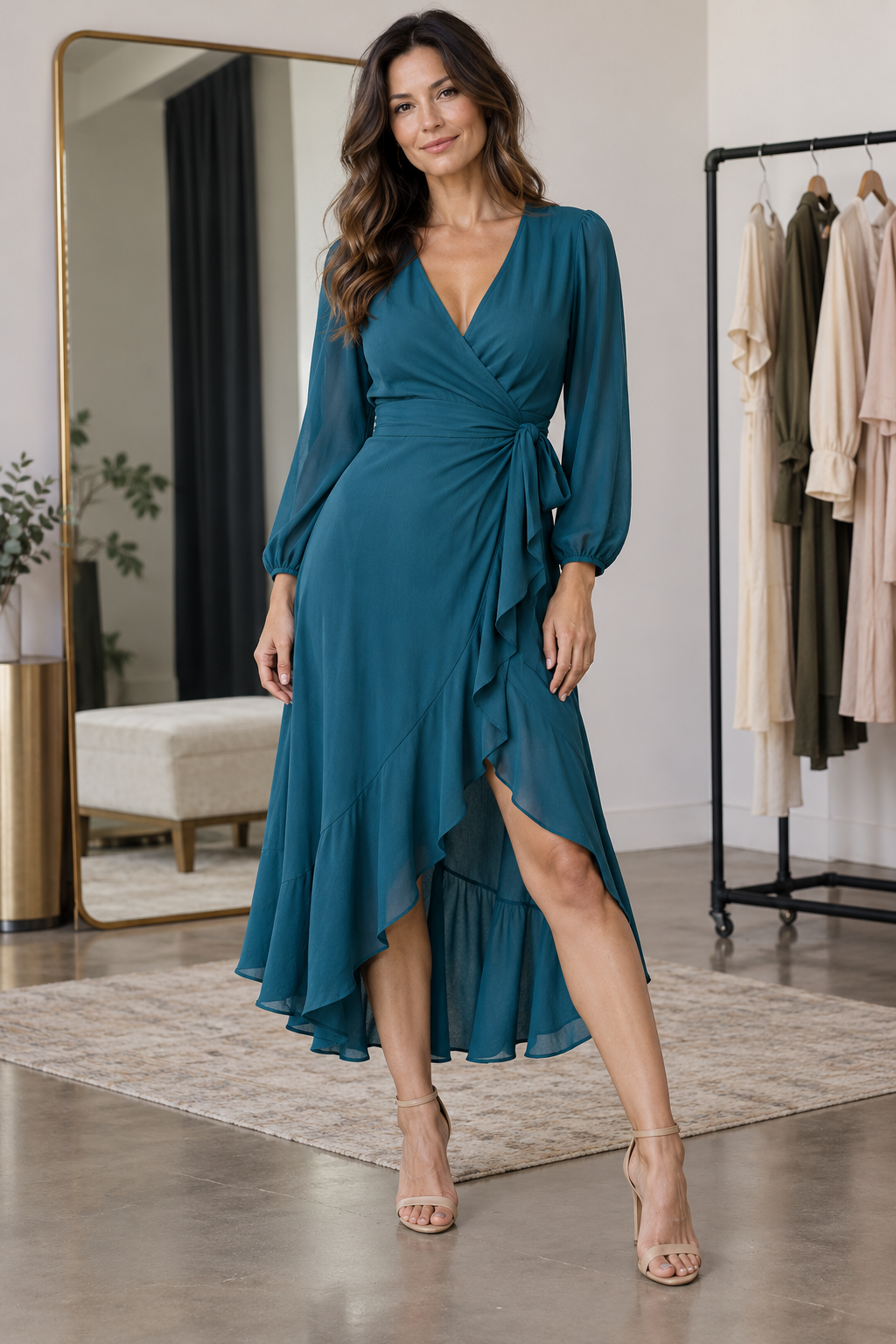
Reviews can reveal whether a dress runs short, has a sheer lining, or differs in color from the photographs. Focus on consistent patterns rather than one opinion. Before paying, check the return deadline, shipping cost, and whether the item is final sale or custom made. Leave enough time for a try-on and possible alterations before the event. If a dress arrives with a defect, photograph it promptly and contact the seller within the stated window. A good return plan is part of careful shopping.
Try it on as a full outfit
When the dress arrives, try it with the intended shoes and undergarments. Walk, sit, reach, and check the garment in daylight. Do not remove tags until you know the fit and return decision. If only the hem or strap length needs refinement, a tailor may make the dress work beautifully. If the shoulders, bust, and waist all pull differently, another size or cut may be a better choice. Record the measurements of successful purchases so future shopping becomes more predictable.
Should I always size up when between sizes?
Not always. Consider fabric stretch, the silhouette, and which part of the dress is hardest to alter. A fitted woven bodice may need the larger size, while a relaxed knit could fit differently. Compare actual measurements and read the seller’s guidance rather than applying one rule to every garment.
What if the size chart has only body measurements?
Use your current measurements as the starting point, then look for notes about stretch and intended fit. A garment designed to be loose should have more room than one designed to skim closely. If the chart leaves important details unclear, ask the seller for finished garment measurements before ordering. Do not assume that a numeric size will match a dress from another brand. Clear measurements and return terms provide much better guidance than a familiar label.